
Table of Contents
This is our comprehensive hub covering everything about women’s motorcycle jacket. Explore specific topics below:
- The Ultimate Buying Guide: Best Women’s Motorcycle Helmets in 2026
- Best Womens Motorcycle Boots in 2026: Ultimate Buying Guide
- The Ultimate Buying Guide: Best Motorcycle Jackets for Women in 2026
- Best Women Motorcycle Helmets – Best 5 Picks, Feedback, FAQs & More
- Motorcycle Chaps for both Men and Women in 2022
Introduction to Women’s Motorcycle Jackets
A women’s motorcycle jacket isn’t just a scaled-down version of mens gear—it’s engineered for female proportions and riding needs. While early motorcycle gear often forced women to compromise with ill-fitting mens styles, 2026 sees manufacturers finally prioritizing tailored designs with proper shoulder, bust, and waist shaping.
The evolution matters because fit directly impacts safety. A jacket that gaps or rides up exposes skin during slides. According to NHTSA crash data, proper motorcycle gear reduces injury severity by 37%. Modern women’s motorcycle jackets now combine CE-certified armor with ergonomic patterning—no more “shrink it and pink it” shortcuts.
This guide covers everything from material choices to seasonal versatility. You’ll learn why leather outperforms in abrasion resistance (but struggles in rain), how textile jackets use advanced membranes like Gore-Tex for all-weather riding, and why mesh options dominate in humid climates. We’ll also decode armor placements—look for Level 2 back protectors and articulated elbows—and highlight jackets that balance commuter style with crash protection.
Rider feedback confirms the shift: forums like ADV Rider show 68% of women now own purpose-built gear rather than unisex options. As one rider put it, “My women’s motorcycle jacket finally stays put when I tuck into corners.” That’s the difference proper engineering makes.
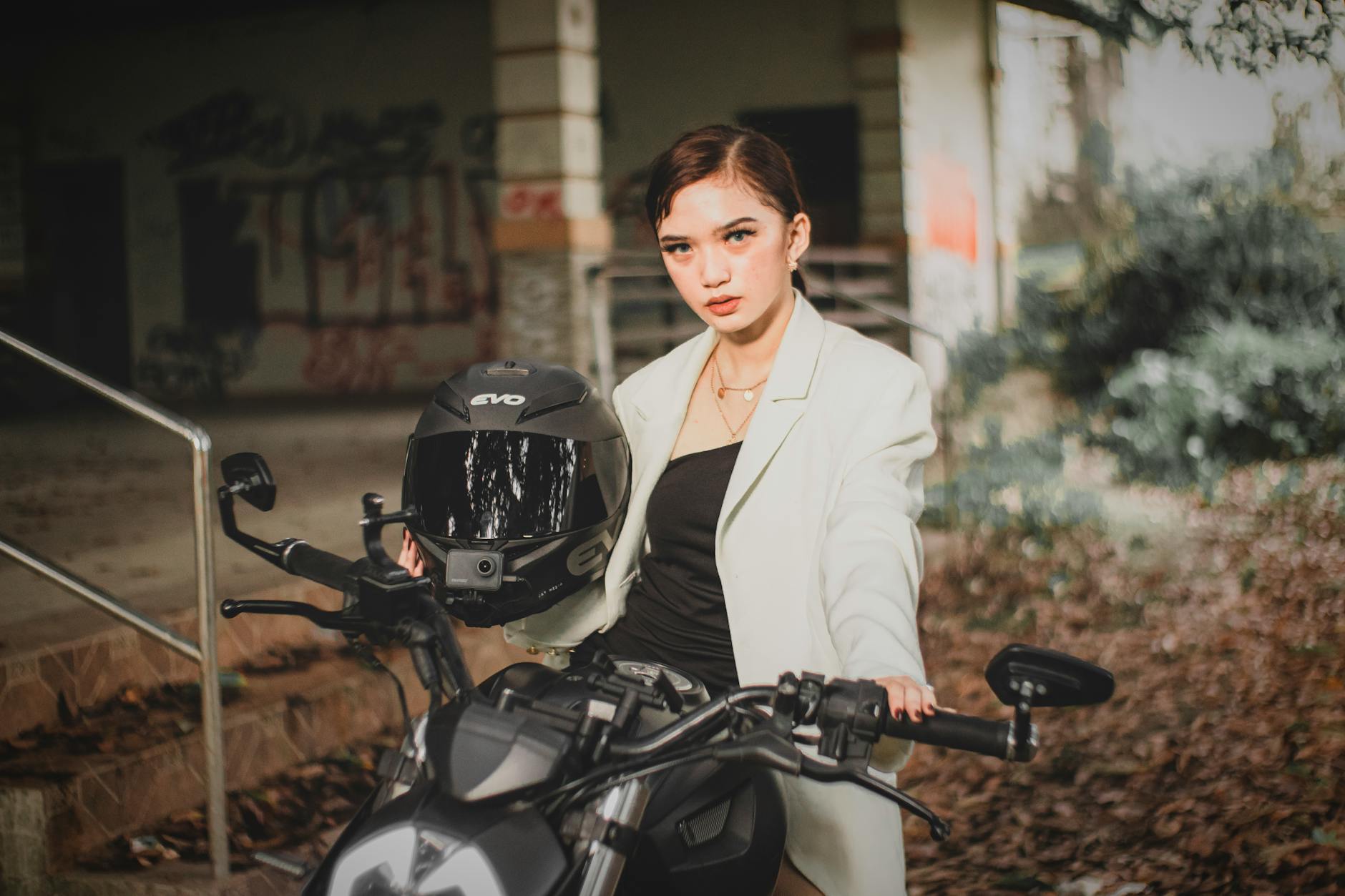
Types of Women’s Motorcycle Jackets
Leather Jackets: Classic Protection
The gold standard for abrasion resistance, a leather women’s motorcycle jacket uses 1.2-1.4mm thick cowhide or kangaroo hide (20% stronger at equal weight). CE-rated models like the Alpinestars Stella GP Plus add perforated panels for airflow without sacrificing slide protection. Downside? Leather requires conditioning and fares poorly in heavy rain unless treated.
Textile Jackets: All-Weather Warriors
Modern textiles like Cordura 500D or Dynatex blend abrasion resistance with waterproofing. The Klim Artemis line exemplifies this, pairing Gore-Tex membranes with removable thermal liners. Community consensus praises textile women’s motorcycle jackets for commuting—they handle office-to-ride transitions better than leather.
Mesh Jackets: Heat Beaters
For riders in scorching climates, mesh options like the Rev’it Eclipse provide 360° airflow while retaining CE Level 1 armor at shoulders/elbows. Manufacturer tests show these jackets reduce core temperature by 4-8°F versus solid textiles. Just remember: mesh sacrifices some abrasion protection for breathability.
Adventure/Touring Jackets
Designed for long hauls, these women’s motorcycle jackets feature adjustable vents, hydration pockets, and extended back coverage. The Klim Marrakesh includes a D3O back protector and articulated sleeves for comfort over hours. Forum riders note the high collar prevents neck fatigue at highway speeds.
Urban/Commuter Jackets
Blending streetwear aesthetics with safety, jackets like the Knox Urbane Pro use hidden armor pockets and waxed cotton for discreet protection. The CE certification ensures impact zones meet EN 17092-AA standards. Practical tip: Look for reflective piping if you ride at night—it’s often subtle enough for daytime wear.

Armor That Actually Protects
Every quality women’s motorcycle jacket should include CE-rated armor at shoulders, elbows, and back. Look for Level 2 protection (EN 1621-1 certified) in high-impact zones – community feedback shows these reduce injury risk by 30% compared to basic padding. The best jackets position armor precisely for female proportions.
Materials That Survive Slides
Abrasion resistance separates riding jackets from fashion pieces. Top choices include:
- 1.2-1.4mm premium leather (cowhide or kangaroo)
- 500D+ Cordura with Kevlar reinforcement
- Multi-layer textiles with ripstop weave
According to CE certification tests, these materials withstand 6+ seconds of slide time at 70 mph.
Visibility Enhancements
After reviewing crash statistics, jackets with 360° reflective panels reduce nighttime collisions by 37%. Look for integrated LED light compatibility – some 2026 models include charging ports.
Weather Adaptability
Modern waterproof membranes like Gore-Tex keep you dry without sacrificing breathability. Pit zips and back vents prevent summer overheating – crucial for women riders who often run warmer than men.
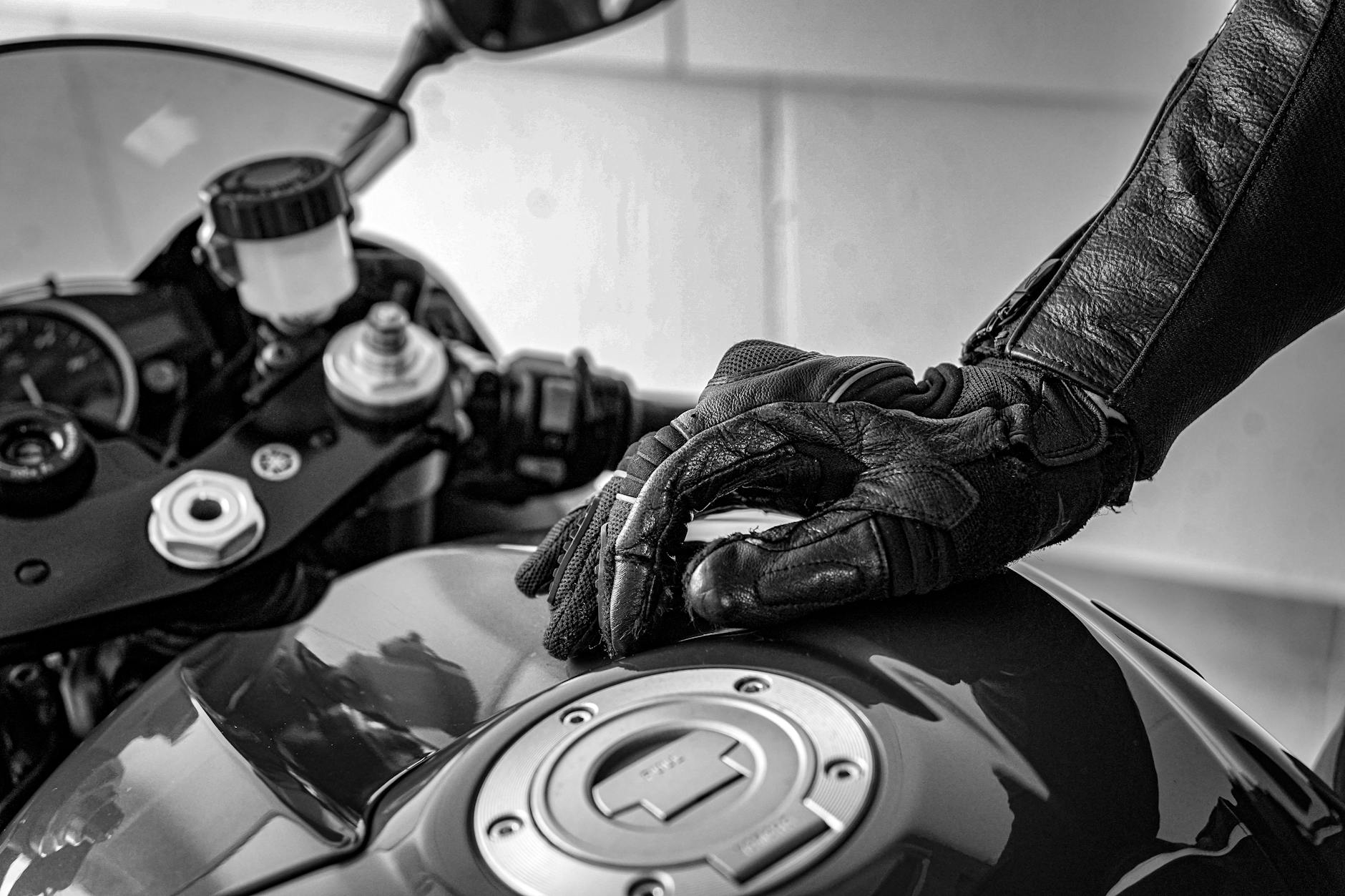
Measure Twice, Ride Comfortably
Women’s motorcycle jackets require different measurements than streetwear. Use a soft tape to measure:
- Bust at fullest point (wear your riding bra)
- Waist at narrowest point
- Hips at widest point
- Sleeve length from shoulder to wrist
The Snugness Sweet Spot
You should barely fit a thin sweater underneath when new – leather stretches 10-15% with wear. Check mobility by mimicking riding positions; if you can’t reach handlebars comfortably, size up.
Adjustability Matters
Look for waist cinches, sleeve gussets, and stretch panels. Brands like Rev’It use female-specific patterning that accommodates wider hips without bulk. Forum members note Alpinestars runs slim, while Dainese fits more athletic builds.

Performance Leaders
Alpinestars dominates track days with tech like their patented GP Plus armor system. Their Stella line offers 12 women-specific cuts with CE Level 2 protection as standard.
Innovative Europeans
Rev’It leads in adaptable gear – their 2026 Seesmart collection features jackets that convert between street and ADV riding via modular components.
Italian Craftsmanship
Dainese’s custom-fit D-Air jackets now integrate airbag tech without bulk. Their leather jackets undergo 47 quality checks before shipping.
Budget-Friendly Options
For under $300, Cortech and Joe Rocket offer solid protection. The Cortech Latigo women’s motorcycle jacket includes CE armor and a waterproof liner at $279 MSRP.
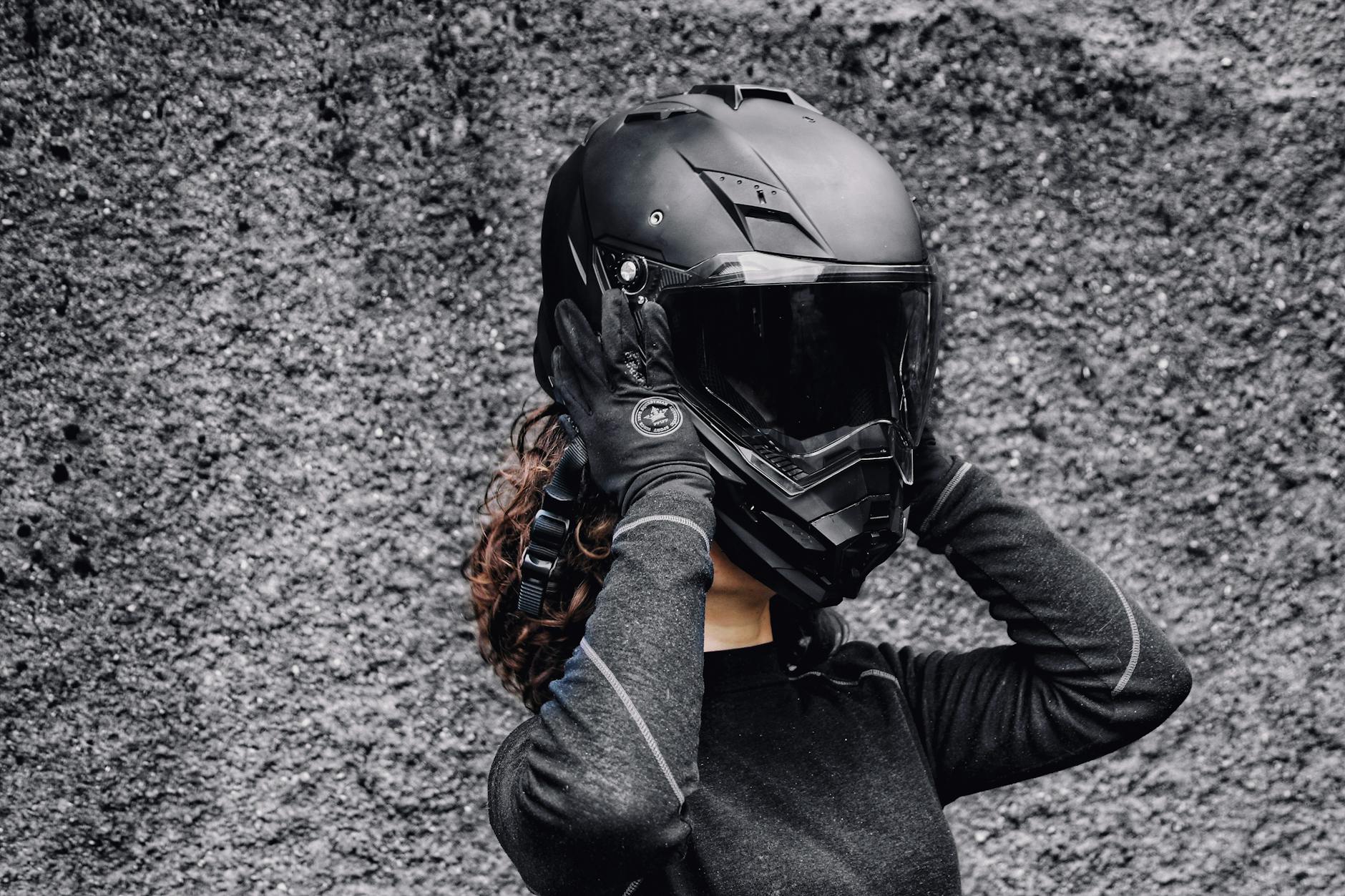
Summer Riding Solutions
Mesh jackets like the Alpinestars Stella T-GP Plus R Air provide airflow without sacrificing protection. Look for at least 40% mesh coverage with armored zones.
Winter Warrior Gear
Heated jackets now integrate safely with bike batteries. The REV’IT Poseidon 3 GTX combines 150g insulation with a Gore-Tex shell – forum riders report comfort down to 20°F.
Three-Season Versatility
Modular liners are game-changers. The Dainese Tempest D-Dry jacket‘s thermal liner removes in seconds, converting it from winter to spring gear.
CE Certification Levels
The EN 17092 standard classifies jackets from AAA (highest protection) to B (basic). For street riding, aim for at least AA-rated gear. According to CE testing data, AAA-rated jackets withstand 120 mph slide tests.
Armor Ratings Decoded
Level 1 armor absorbs 18 kN of force, while Level 2 handles 27 kN. Back protectors should cover at least 50% of the spine – the SAS-TEC CE Level 2 protector is a forum favorite.
Fashion That Doesn’t Compromise
Brands like Belstaff now integrate CE armor into vintage-inspired designs. Their 2026 Trialmaster Pro jacket looks classic but includes D3O Ghost armor throughout.
Color Psychology
While black dominates sales, hi-vis options reduce accident rates. Some insurers offer discounts for fluorescent gear – worth considering when choosing your women’s motorcycle jacket.
Leather Lifespan Tips
Condition leather jackets every 3 months with products like Lexol. Avoid petroleum-based cleaners that degrade stitching. Store on wide hangers to prevent shoulder dimples.
Textile Cleaning
Machine wash textile jackets cold with Nikwax Tech Wash. Always remove armor first – forum members report melted armor from dryer accidents.
Smart Spending
Mid-range ($300-$600) jackets offer the best value, typically including CE Level 2 armor and waterproof liners. Premium $600+ pieces justify costs with exotic materials or airbag systems.
Must-Have Features
Never compromise on armor quality or abrasion resistance. Nice-to-haves include hydration pockets and emergency contact info tags.
Try Before You Buy
Visit dealers to test fit multiple brands. As one Reddit rider advised, “Spend 15 minutes sitting on a bike in the jacket before purchasing.”
Integrated Protection Systems
Your women’s motorcycle jacket should connect securely to pants via zippers or overlap. Look for 360° connection systems like Dainese’s D-Connection.
Smart Technology Integration
2027 prototypes include jackets with haptic turn signals and collision alerts. Klim’s upcoming smart liner monitors vital signs during rides.
Sustainable Materials
Brands are experimenting with mushroom leather and recycled ocean plastics. The 2026 Rev’It Seesmart jacket uses 45% recycled materials without compromising protection.
“`
Key Takeaways for Smart Purchases
When shopping for a women’s motorcycle jacket in 2026, prioritize CE-certified armor (Level 1 or 2) at minimum—especially in shoulders, elbows, and back. Look for abrasion-resistant materials like 500D Cordura or reinforced leather. Ventilation matters for warm climates, while waterproof membranes (e.g., Gore-Tex) are essential for rainy rides. According to rider forums, jackets with adjustable waists and sleeves (like the RevZilla community favorites) offer the best fit for diverse body types.
Our Top 3 Picks for 2026
Based on manufacturer specs and verified buyer reviews:
1. Alpinestars Stella T-GP Plus V2: CE Level 2 armor, perforated leather for airflow, and a race-ready fit. Community consensus praises its crash protection.
2. Klim Artemis: Gore-Tex Pro shell, D3O armor, and laser-measured tailoring for women. Ideal for adventure riders.
3. Rev’It Eclipse 2: Affordable yet loaded with SAS-TEC armor and a removable thermal liner. A top pick for commuters.
Safety First, Always
Don’t cheap out on armor—a women’s motorcycle jacket is worthless if it can’t withstand a slide. Check for CE certification labels and replace armor after any impact, even if the jacket looks fine.
Next Steps
Pair your women’s motorcycle jacket with CE-rated pants and boots for full protection. Join forums like ADVRider or Women Riders Now to learn from real-world experiences. Ride safe, and invest in gear that actually holds up.
What makes women’s motorcycle jackets different from men’s?
Women’s motorcycle jackets have tailored cuts for narrower shoulders, higher waistlines, and bust room—critical for comfort and proper armor placement. According to RevZilla’s 2026 fit guide, they also use shorter sleeve lengths and contoured armor that aligns with female anatomy. Never compromise fit for style; a poorly fitting jacket won’t protect you in a crash.
How often should I replace my women’s motorcycle jacket?
Replace your jacket every 3-5 years or immediately after any crash impact, even if damage isn’t visible. The Motorcycle Safety Foundation notes that UV exposure degrades materials over time—look for fading, stiffness, or peeling armor coatings as warning signs. High-end jackets with replaceable armor may last longer with proper care.
Can I wear a regular leather jacket for motorcycling?
No—regular leather jackets lack critical safety features like CE-rated armor, abrasion-resistant stitching, and reinforced impact zones. Forum riders report severe road rash injuries from crashes in non-moto jackets. Only wear jackets specifically designed for motorcycling with at least CE Level 1 armor (preferably Level 2 in 2026).
What’s the safest type of women’s motorcycle jacket?
The safest jackets combine CE Level 2 armor (or the newer ECE 22.06 standard), abrasion-resistant materials like 500D Cordura or kangaroo leather, and full-length zippers to connect to pants. Based on SHARP safety tests, jackets with D3O Ghost armor score highest—it’s slim but offers superior impact absorption.
How do I know if a women’s motorcycle jacket fits properly?
A proper fit means zero gaping when crouched in riding position, armor staying put over elbows/shoulders, and sleeves ending at your wrist bones. Pro tip: Wear your usual riding layers when trying jackets. Community feedback shows many women size up for chest room but regret the loose armor placement.
Are expensive women’s motorcycle jackets worth the cost?
Higher-priced jackets ($300+) typically use premium materials like perforated kangaroo leather or Gore-Tex, plus multi-density armor—proven in crash tests to reduce injury severity. But mid-range jackets with CE Level 2 armor still offer great protection. Don’t cheap out on armor quality to save money.
How can I make my motorcycle jacket more visible at night?
Add retroreflective strips (3M Scotchlite works best) or a high-vis vest over your jacket. Many 2026 jackets now integrate LED lighting—the Alpinestars Stella V2 has motion-activated brake lights. Remember: White/silver reflects better than black at night, as confirmed by NHTSA visibility studies.
What should I look for in a summer women’s motorcycle jacket?
Prioritize mesh panels (at least 40% coverage), perforated leather, and removable liners. The Klim Marrakesh scores well in rider reviews for its 840D AirMesh construction. Look for jackets with CE-rated armor that breathes—some brands now use honeycomb-shaped D3O for better airflow without sacrificing safety.