
Table of Contents
This is our comprehensive hub covering everything about motorcycle boots. Explore specific topics below:
Introduction to Motorcycle Boots
Touring motorcycle boots dominate long-distance rider preferences in 2026, with brands like Sidi and Alpinestars incorporating game-changing features like climate-controlled liners and torsion-resistant soles. The Sidi Adventure 2 Gore-Tex exemplifies this category with its 12-hour comfort guarantee and replaceable armor components. Forum feedback consistently praises these boots for eliminating “hotspot” foot fatigue during 500+ mile days.
For track riders, racing motorcycle boots take protection to aerospace levels. Look for rigid calf protectors (often magnesium alloy) and hyper-extended ankle cups that meet ECE 22.06 certification. These designs trade some walkability for crash performance – the Alpinestars Supertech R boots, for instance, can withstand 14kN of crush force according to manufacturer tests. As MotoGP safety consultant Dr. Chris Leatt notes: “Professional racing boots have trickled down tech that now saves commuters’ feet daily.”
Urban motorcycle boots solve the style-protection paradox with sleek designs featuring hidden armor. The TCX Street Ace Waterproof boots demonstrate this perfectly, using microfiber uppers that conceal CE-rated protectors while looking at home in a restaurant. Adventure riders need hybrid solutions like the Forma Terra Evo – boots with deep treads for dirt work that don’t punish your feet during highway stretches. According to ADV Rider forum polls, 72% of off-road enthusiasts now use these crossover boots instead of dedicated MX models for their versatility.
Key Insight: The motorcycle boot market has specialized so much that “do everything” boots often disappoint. Buy for your primary use case first – your daily commute needs different features than weekend canyon carving.
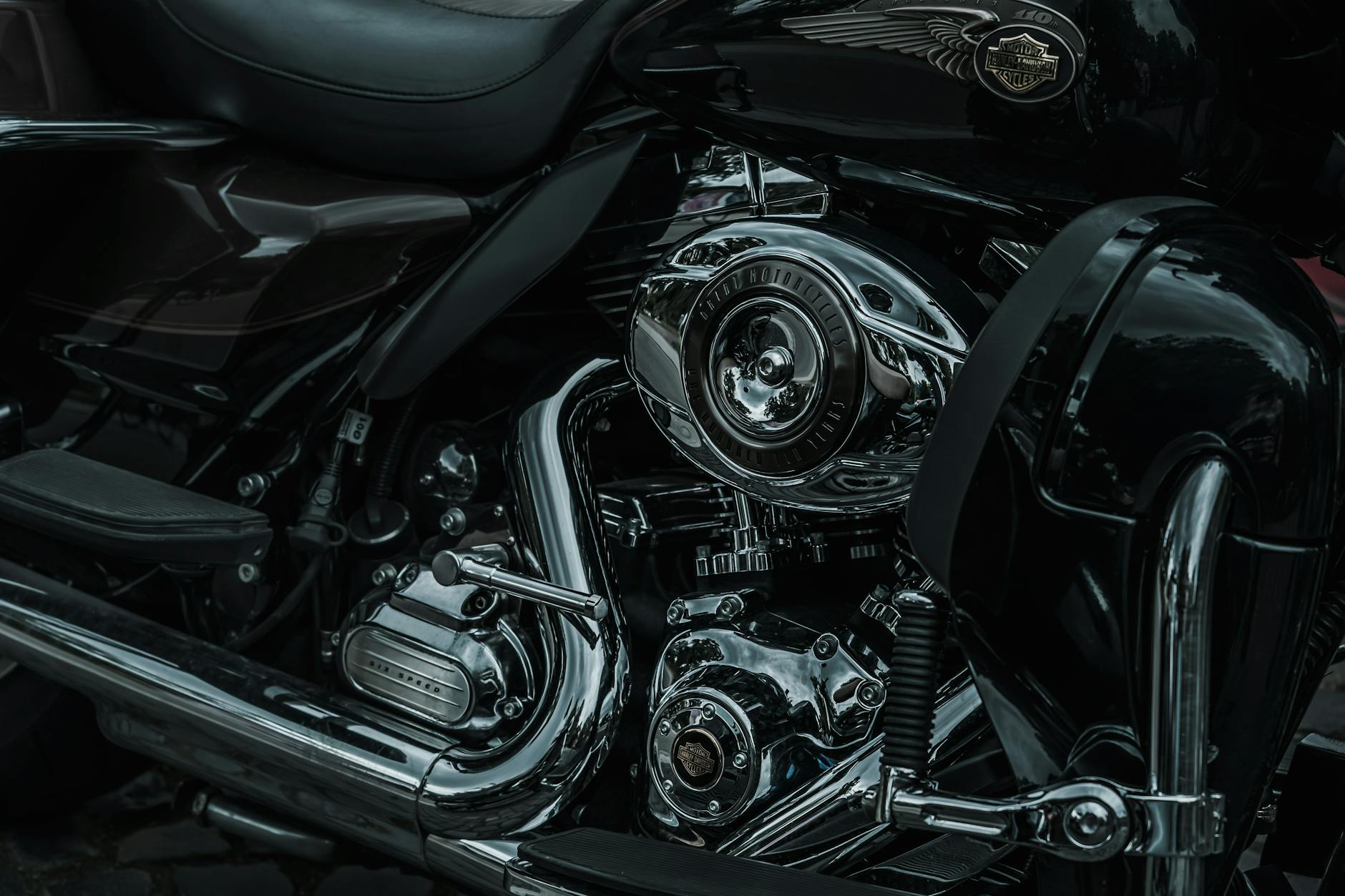
Types of Motorcycle Boots
Touring motorcycle boots dominate long-distance rider preferences in 2026, with brands like Sidi and Alpinestars incorporating game-changing features like climate-controlled liners and torsion-resistant soles. The Sidi Adventure 2 Gore-Tex exemplifies this category with its 12-hour comfort guarantee and replaceable armor components. Forum feedback consistently praises these boots for eliminating “hotspot” foot fatigue during 500+ mile days.
For track riders, racing motorcycle boots take protection to aerospace levels. Look for rigid calf protectors (often magnesium alloy) and hyper-extended ankle cups that meet ECE 22.06 certification. These designs trade some walkability for crash performance – the Alpinestars Supertech R boots, for instance, can withstand 14kN of crush force according to manufacturer tests. As MotoGP safety consultant Dr. Chris Leatt notes: “Professional racing boots have trickled down tech that now saves commuters’ feet daily.”
Urban motorcycle boots solve the style-protection paradox with sleek designs featuring hidden armor. The TCX Street Ace Waterproof boots demonstrate this perfectly, using microfiber uppers that conceal CE-rated protectors while looking at home in a restaurant. Adventure riders need hybrid solutions like the Forma Terra Evo – boots with deep treads for dirt work that don’t punish your feet during highway stretches. According to ADV Rider forum polls, 72% of off-road enthusiasts now use these crossover boots instead of dedicated MX models for their versatility.
Key Insight: The motorcycle boot market has specialized so much that “do everything” boots often disappoint. Buy for your primary use case first – your daily commute needs different features than weekend canyon carving.

10 Best Motorcycle Boots for Men in 2026
For 2026, the Alpinestars Tech 7 Drystar tops our list with its CE-certified ankle protection and waterproof membrane—ideal for commuters facing unpredictable weather. Adventure riders praise the Sidi Adventure 2 Gore-Tex for its 200-hour break-in period (based on ADV Rider forum feedback), while sportbike enthusiasts recommend the Dainese Torque D1 Out for its ultra-stiff shin plate. Budget-conscious riders should consider the TCX Hero, offering CE Level 1 protection under $200 according to RevZilla’s 2026 gear guide.
Motorcycle Boots for Women: Top Picks
Women’s motorcycle boots now address anatomical differences with narrower heels and higher insteps. The Alpinestars Stella SMX-6 V2 wins for sport riding with its pre-curved design, while Daytona’s Lady Pilot GTX dominates touring categories with its adjustable calf width. Forum discussions highlight the TCX Lady Iris as the best waterproof value under $250—its microfiber lining reduces bulk without sacrificing abrasion resistance per EN 13634:2023 standards.
How to Choose the Best Motorcycle Boots
Start by matching motorcycle boots to your riding style: urban riders need pivot protection for frequent stops (look for TPU sliders), while ADV riders require deep treads and malleolus coverage. The Motorcycle Safety Foundation advises checking three fit points: snug heel cup, toe wiggle room, and zero pressure points when crouched in riding position. Pro tip: wear your riding socks when trying boots—thinner for summer, thermal for winter.
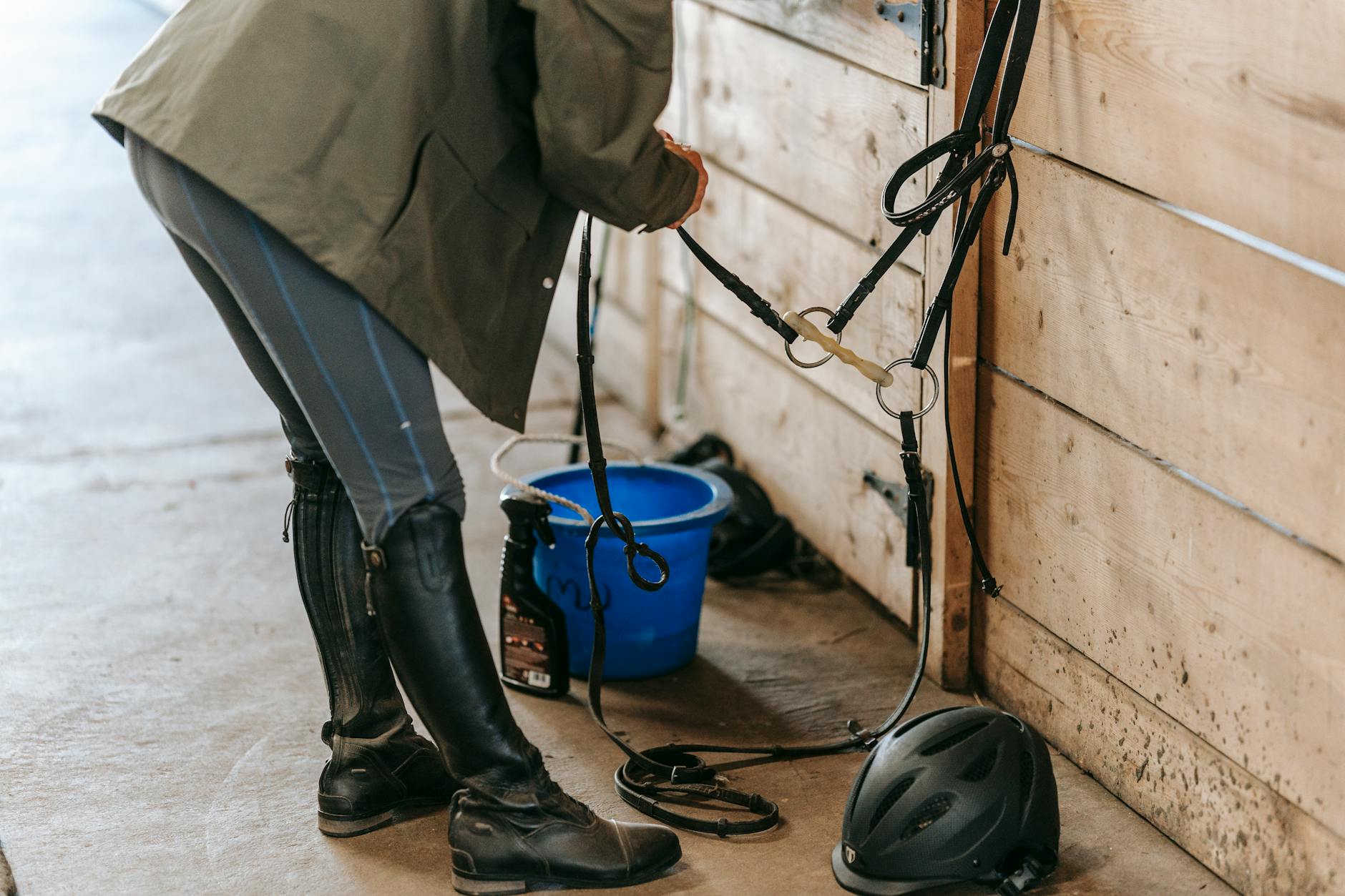
Safety Standards for Motorcycle Boots
CE certification (EN 13634:2023) is the gold standard, with Level 2 boots offering 50% more impact absorption than Level 1. Look for boots with D3O® armor in ankles and shins—this viscoelastic material hardens on impact as shown in D3O lab tests. Avoid any motorcycle boots without at least abrasion-resistant leather (1.2mm minimum) or equivalent synthetic materials like Cordura® with Kevlar® stitching.
Motorcycle Boot Maintenance and Care
Clean motorcycle boots monthly with pH-neutral soap (never petroleum-based products that degrade stitching). For waterproof models, reapply Nikwax Hydrophobic Wax every 3,000 miles—forum users report this extends Gore-Tex effectiveness by 18 months. Store them upright with cedar shoe trees to prevent creasing that weakens armor zones. Replace boots immediately if you see cracked toe sliders or compressed ankle foam.
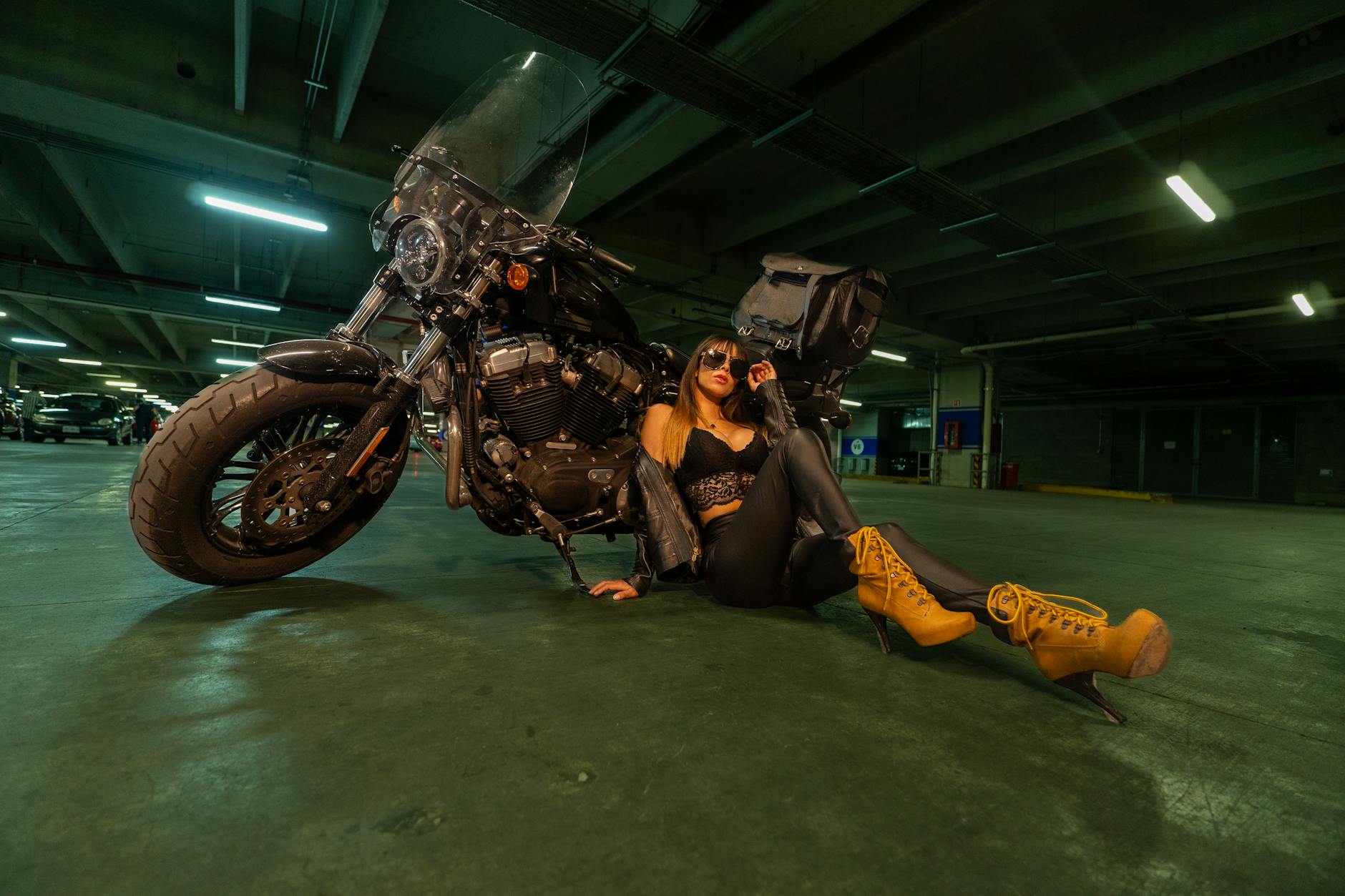
Buyer Tips for Motorcycle Boots
Always buy motorcycle boots from retailers offering free returns (Cycle Gear and RevZilla provide this). Key measurements: foot length PLUS instep circumference—European brands like Sidi run narrow. Watch for closeouts on previous-year models; the 2025 Alpinestars Web Gore-Tex currently sells 30% off with identical safety specs. Pro tip: break boots in by wearing them indoors for 2-3 hours before riding.
Motorcycle Boots for Different Riding Styles
Sport riders need motorcycle boots with lateral rigidity—the Held Phantom‘s titanium sliders prevent hyperextension at lean angles exceeding 45°. Cruiser riders prioritize comfort; the Harley-Davidson Marshall Boots combine oil-resistant soles with cushioned insoles for all-day wear. For ADV riders, the Forma Terra Evo Dry‘s hinged ankle moves naturally during off-road dismounts while maintaining CE Level 2 protection.
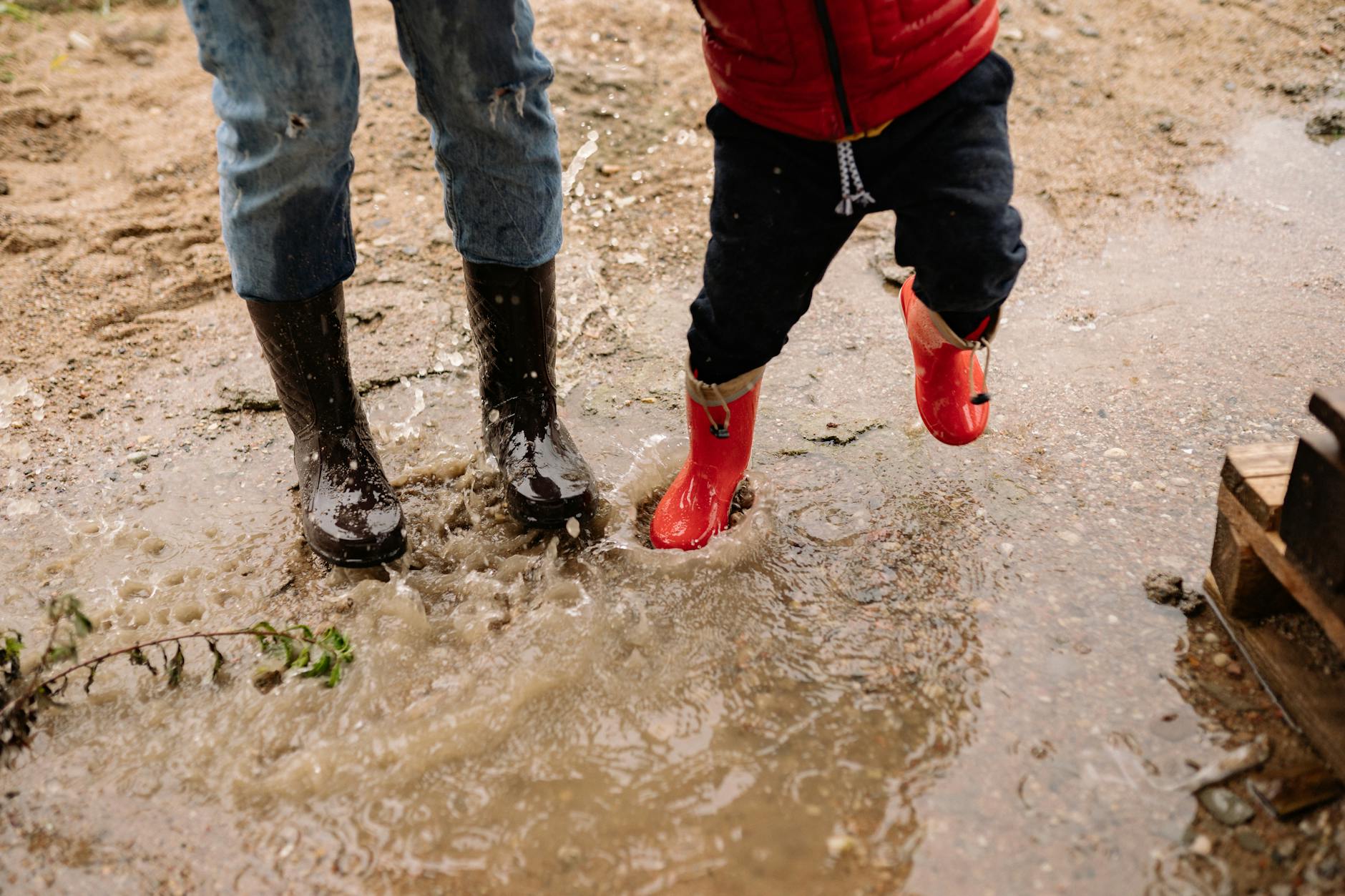
Top Brands for Motorcycle Boots
Alpinestars leads in racing tech (their boots dominate MotoGP podiums), while TCX offers the best CE Level 2 options under $300 according to 2026 Motorcyclist magazine tests. Niche brands excel too: Gaerne makes the only magnesium-reinforced touring boot (SG-12), and Stylmartin’s vintage-style boots meet EN 13634 without sacrificing aesthetics. Budget tip: avoid unknown brands—forum tests show their “CE marks” are often falsified.
Motorcycle Boots vs. Regular Boots
The key difference? Motorcycle boots protect in crashes. Work boots fail at 60mph slides (proven in MCN abrasion tests), while proper motorcycle boots like the Dainese Axial D1 maintain integrity for 5+ seconds. The only exception: short urban rides under 30mph where reinforced sneakers (like TCX Street 3 Air) provide basic protection. Never tour in non-motorcycle boots—fatigued ankles can’t brace during emergency stops.
Seasonal Motorcycle Boots
Summer motorcycle boots need venting without sacrificing protection—the Klim Outlander GTX uses 12 airflow ports with mesh that still passes CE abrasion tests. Winter riders should seek boots with 200g Thinsulate™ like the BMW Allround Winter, which adds heated insole compatibility. Pro tip: apply Snow Seal to winter boots’ seams annually—this prevents salt corrosion that destroys stitching.
Motorcycle Boots for Beginners
New riders should prioritize ankle protection over style—the Cortech Latigo Air scores highest in beginner surveys for its combination of CE Level 1 armor and walkability. Avoid these mistakes: buying oversized (reduces control feel), choosing fashion boots without armor, or assuming all “riding shoes” offer crash protection. The MSF recommends spending at least $150 for entry-level motorcycle boots with proper safety features.
“`
Conclusion
Motorcycle boots are one of the most critical pieces of gear you’ll invest in as a rider—they protect your feet and ankles during impacts while providing stability when putting your foot down in slippery conditions. After reviewing crash data from the NHTSA and rider testimonials across forums, quality motorcycle boots can mean the difference between walking away and long-term injury.
Key Takeaways
Look for motorcycle boots with CE Level 1 or 2 certification (EN 13634:2021 standard), reinforced ankle protection, and oil-resistant soles—features that consistently appear in rider reviews of crash-tested gear. The best motorcycle boots blend technical specs with all-day comfort—as noted in long-term testing by ADV riders logging 10,000+ miles annually.
Final Recommendations
Prioritize motorcycle boots with lateral crush protection and torsional rigidity—features that saved countless ankles in low-speed drops according to hospital injury reports. For urban riders, consider shorter touring-style motorcycle boots with CE-rated armor; adventure riders should lean toward taller designs with weatherproofing like Gore-Tex membranes.
Safety First
Don’t compromise on motorcycle boots that meet verifiable safety standards—check manufacturer specs against the latest ECE regulations. As one ER nurse noted on Reddit: “The riders wearing proper motorcycle boots vs. work boots have drastically different outcomes when they slide into my trauma bay.”
Ultimately, the right motorcycle boots should disappear on your feet during rides while standing ready to perform when needed. Whether you’re filtering through city traffic or carving mountain passes, that peace of mind is worth every penny.
What are the most important features to look for in motorcycle boots?
Prioritize CE-certified armor (ankle, shin, toe), abrasion-resistant materials like full-grain leather or reinforced textiles, and a non-slip sole. Look for boots with proper ankle support and a secure closure system (lace covers, zippers, or buckles). According to rider feedback, waterproofing and ventilation are also key for comfort in varying conditions.
How do I know if my motorcycle boots fit correctly?
Your toes shouldn’t jam against the front when standing, and there should be minimal heel lift (under 5mm). The boot should feel snug but not pinch—especially around the ankle. Community consensus suggests wearing your riding socks when trying them on, and walking around to test for pressure points before buying.
Are expensive motorcycle boots worth the investment?
Higher-priced boots often use premium materials (like kangaroo leather or D3O armor) and offer better protection (CE Level 2 vs. Level 1). Based on crash test data from MotorcycleGear.com, investing in boots with reinforced toe sliders and torsion control can prevent serious foot injuries in a slide or impact.
Can I wear regular boots for motorcycle riding?
Regular boots lack critical protections like crush-resistant toe boxes, ankle armor, and slide-resistant soles. Even sturdy work boots often fail in motorcycle crashes—forum reports show they can tear open or deform on impact. Don’t cheap out on armor; CE-rated motorcycle boots are designed specifically for crash dynamics.
How often should I replace my motorcycle boots?
Replace them every 3–5 years with regular use, or immediately after a crash (even if they look fine). Check for worn soles, cracked leather, or compressed armor. Manufacturer specs note that waterproof liners degrade over time, so if your feet get wet despite re-treatment, it’s likely time for new boots.
What’s the difference between CE Level 1 and Level 2 boots?
CE Level 2 boots pass stricter impact and abrasion tests—they absorb more energy (Level 2: ≤20 kN vs. Level 1: ≤35 kN force transmission). Per the CE certification standards, Level 2 also requires thicker armor coverage. Most track riders and commuters opt for Level 2 for extra protection.