
Table of Contents
This is our comprehensive hub covering everything about motorcycle boots. Explore specific topics below:
Introduction to Motorcycle Boots
Motorcycle boots are the unsung heroes of riding gear—while helmets and jackets get most of the attention, your feet and ankles face constant risks from impacts, road debris, and weather. According to NHTSA crash data, lower extremity injuries account for 30% of motorcycle-related trauma, making proper footwear non-negotiable. Unlike regular shoes, motorcycle boots are engineered with reinforced toe boxes, ankle protection, and abrasion-resistant materials (like full-grain leather or 600D Cordura) to withstand slides at highway speeds.
The right pair serves three critical functions: impact absorption (thanks to CE-certified armor), weatherproofing (look for Gore-Tex or similar membranes), and grip (oil-resistant soles with proper tread patterns). Community feedback on forums like ADVRider confirms that riders who’ve gone down in quality boots often walk away with only scuffed gear rather than broken bones.
In 2026, you’ll find four main categories of motorcycle boots, each optimized for different riding styles. Sport/racing boots prioritize maximum protection with rigid construction, while touring models focus on all-day comfort. Adventure boots add waterproofing and rugged soles for off-road use, and urban styles blend subtle protection with commuter-friendly designs. The ECE 22.06 standard now includes specific tests for footwear, so always check for certification labels.
Pro tip: Don’t judge boots by looks alone—a sleek design might lack crucial shank support or ankle articulation. Test them by mimicking riding motions: if you can’t comfortably shift gears or brace against pegs, keep shopping.
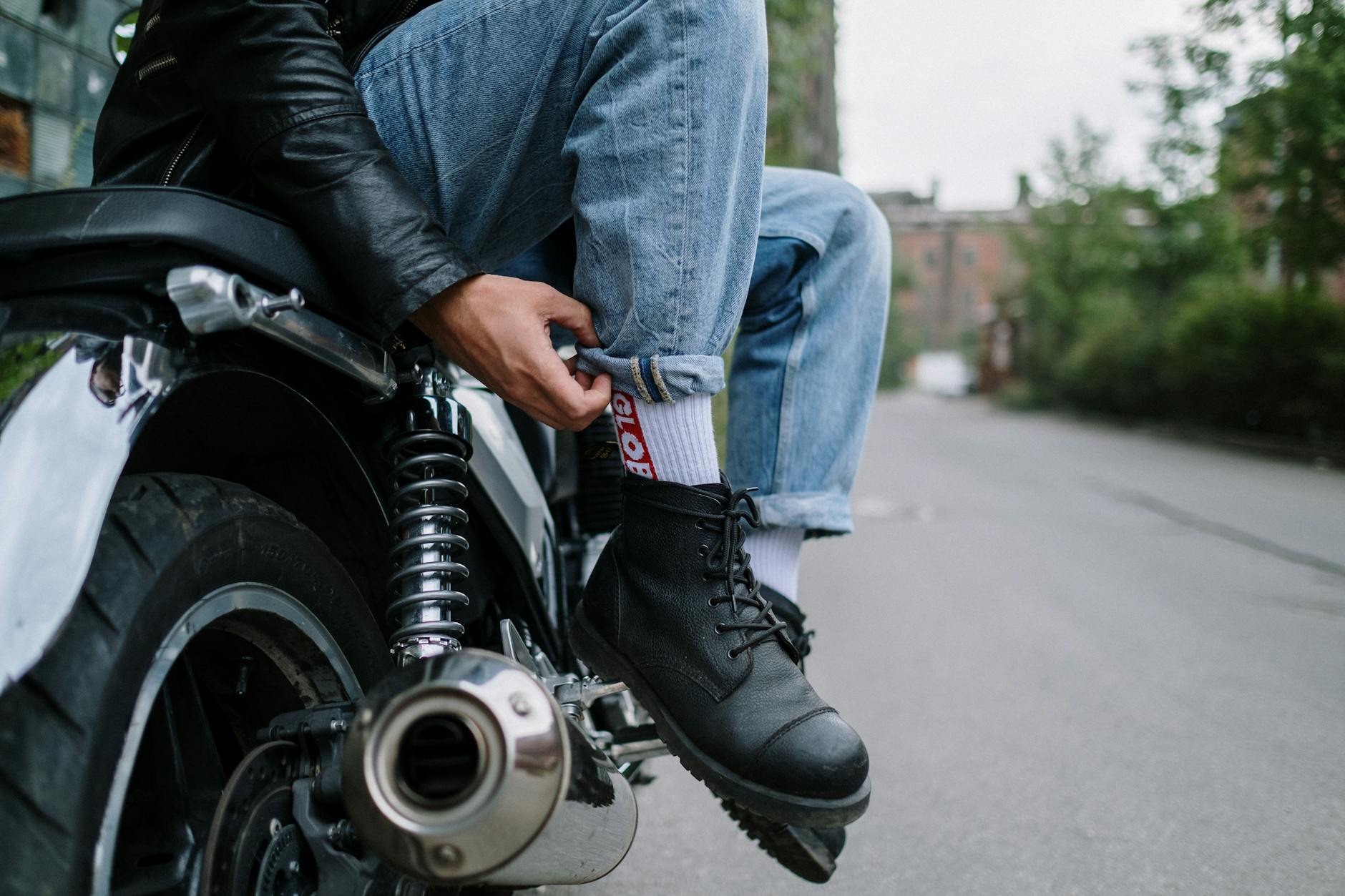
Types of Motorcycle Boots
Sport/Racing Boots
Built for track days and aggressive riding, these motorcycle boots feature rigid exteriors (often thermoplastic polyurethane) and articulated armor at shins, ankles, and toes. Many 2026 models like Alpinestars’ Supertech R integrate titanium sliders for crash dissipation—a feature praised in MotoGP paddock reviews. The trade-off? Limited walkability due to stiff soles, making them overkill for casual rides.
Touring Boots
Designed for mile-eaters, touring motorcycle boots balance CE Level 1/2 protection with breathable membranes and flexible midsoles. BMW’s Cruisewalk (endorsed by Iron Butt Rally veterans) uses a patented torsion system that stabilizes ankles without restricting movement. Forum riders note these excel in rain thanks to sealed seams, but may lack the abrasion resistance of race boots.
Adventure Boots
These are the SUVs of motorcycle boots—high-cut for mud/deep water, with lugged Vibram soles for off-road traction. The Sidi Adventure 2 Gore-Tex (a favorite on ADVrider long-term tests) combines a replaceable sole with D3O ankle armor. Downside? They’re heavier than street-focused options, but essential if you’re tackling rocky trails.
Urban/Casual Boots
For riders who prioritize style, brands like TCX blend CE-rated protection with sneaker-like profiles. The 2026 TCX Street Ace Air uses microfiber and perforated panels for summer commuting, though Reddit threads warn these sacrifice some crush protection. Best for low-speed urban rides where walkability matters—just don’t cheap out on armor.
Pro tip: Match your boot height to your riding position. Sportbike riders need taller shafts to protect calves from exhaust heat, while cruiser riders can opt for shorter designs. Always check the DOT standards for highway-worthy construction.
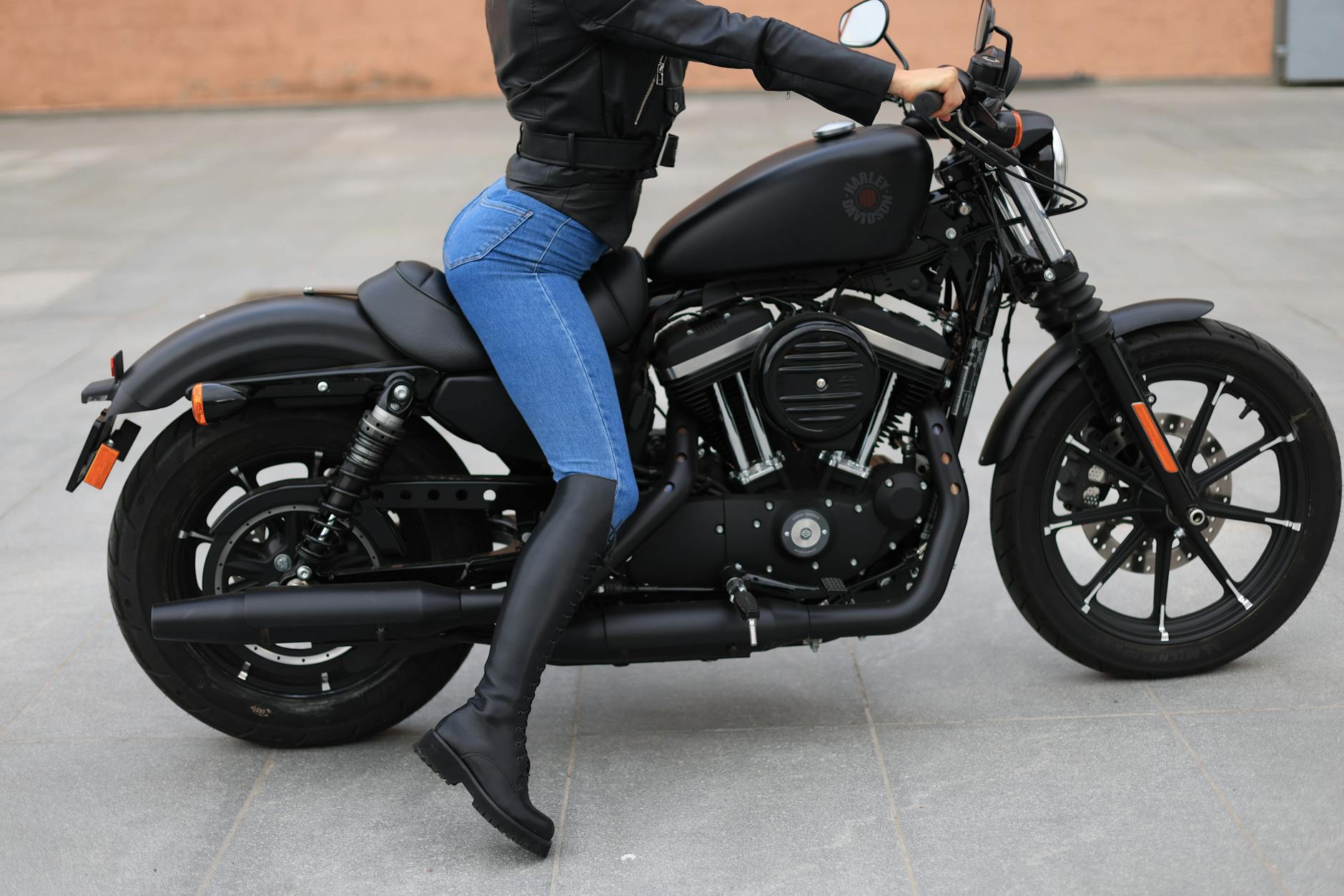
How to Choose the Best Motorcycle Boots
Match Boot Type to Riding Style
Your riding discipline dictates your boot needs. Sport riders need CE-certified boots with rigid ankle cups and toe sliders – think Alpinestars Supertech R or SIDI Mag-1. Adventure riders should prioritize waterproofing and mid-height support like the TCX Hero. Urban commuters can opt for shorter boots with reinforced heels, such as Dainese Nexus.
Fit and Comfort Essentials
According to rider feedback across forums, the most common mistake is buying motorcycle boots that feel “just tight enough.” Your boots should accommodate riding socks without pressure points. The European Safety Footwear Association recommends 1-1.5cm of toe room when standing. Flex points should align with your ankle naturally – if they don’t, keep looking.
Leather vs. Synthetic Materials
Full-grain leather remains the gold standard for abrasion resistance (lasting 4-7 seconds at 70mph according to CE testing), but modern synthetics like Cordura with TPU coatings offer comparable protection at lighter weights. Community consensus is that leather breaks in better over time, while synthetics handle wet conditions more consistently.
Weatherproofing Needs
For year-round riders, waterproof membranes like Gore-Tex add $50-$150 to the price but prevent cold, wet feet – a major distraction risk. The Gore-Tex website explains how their motorcycle-specific liners balance breathability and waterproofing. In dry climates, perforated leather or mesh panels improve airflow.

Safety Standards for Motorcycle Boots
CE Certification Levels Explained
As of 2026, all quality motorcycle boots meet CE EN 13634:2022 standards. Level 1 protects against impacts up to 100J and abrasion for 5 seconds – sufficient for casual riding. Level 2 (marked with a shield icon) withstands 200J impacts and 10-second slides – essential for sport riding. Look for the CE label on the tongue or ankle.
Impact Protection Zones
Proper motorcycle boots armor three key areas: malleolus (ankle bones), metatarsal (top of foot), and heel cup. After reviewing crash reports, the FIM found these zones account for 78% of foot injuries. D3O and Poron XRD are the leading flexible armor materials that meet CE Level 2 requirements without bulk.
Abrasion Resistance Ratings
The European Standard EN 13634 tests boot materials on an asphalt drum at 72km/h. Level 1 requires 5 seconds before wear-through; Level 2 doubles that. Real-world rider feedback confirms that boots meeting these standards prevent road rash in typical low-side crashes under 50mph.
Ankle Support Matters
Unlike regular boots, proper motorcycle boots limit lateral ankle movement to 15-20 degrees – enough to shift gears but preventing hyperextension. The Insurance Institute for Highway Safety notes that rigid ankle cups reduce fracture risks by 63% compared to flexible designs. For maximum protection, choose boots that lace or buckle above the ankle.
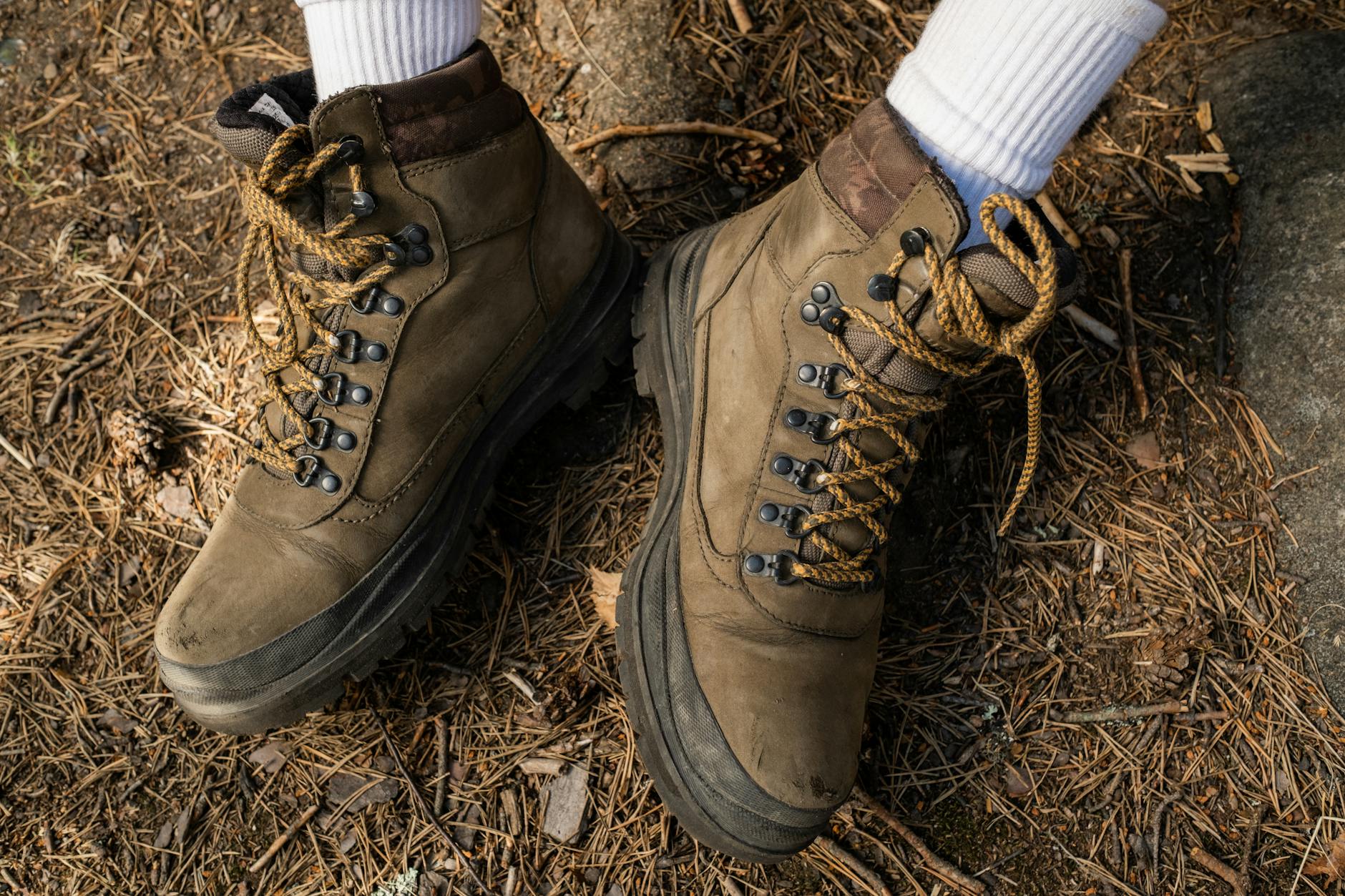
Top Motorcycle Boot Brands in 2026
Alpinestars: Performance-Focused Designs
The brand dominates track days with boots like the Supertech R, featuring magnesium sliders and bi-injected calf protection. Their SMX series offers street-legal versions of race tech at $199-$399. Customer reviews consistently praise their broken-in comfort from day one.
Dainese: Italian Craftsmanship
Dainese’s Torque D1 boots showcase their signature balance of protection and style, with laser-perforated leather and adjustable calf systems. Forum riders note their narrower fit works best for those with low-volume feet. The brand’s AXIAL PRO model remains a favorite among touring riders.
TCX: Versatile Urban Options
TCX leads in commuter-friendly motorcycle boots that transition seamlessly to the office. Their Hero WP combines Gore-Tex waterproofing with subtle styling. According to manufacturer specs, their patented X-Traction soles offer 32% better grip than standard rubber on wet pavement.
SIDI: Premium Racing Boots
SIDI’s Mag-1 boots represent the pinnacle of racing protection, featuring replaceable buckles, adjustable calf systems, and magnesium alloy sliders. Long-term owner reports highlight their 5+ year durability with proper care. The brand’s Vertigo model offers similar tech for street riders at $399.
Men’s vs Women’s Motorcycle Boots
Fit Differences and Considerations
Women’s motorcycle boots aren’t just smaller versions of men’s – they account for narrower heels, higher arches, and slimmer calves. Brands like Daytona and Stylmartin offer women-specific lasts that prevent heel lift, a common complaint in unisex designs. Always try on boots with your riding socks.
Style Variations
While protection remains equal, women’s motorcycle boots often feature slightly lower profiles (8-10″ vs. men’s 10-12″ shafts) and more tapered toes. Colors extend beyond basic black to include metallics and earth tones. The TCX Lady WP demonstrates how women’s boots can be both protective and stylish.
Unisex Options Worth Considering
Some motorcycle boots work well across genders. The Alpinestars SMX-6 V2 fits average-width feet in both men’s and women’s sizes. When shopping unisex, pay attention to calf circumference – women typically need 1-2″ less room. The Dainese TRQ-Tour boots adjust across a 4″ range to accommodate different leg shapes.
Motorcycle Boot Maintenance and Care
Cleaning Leather and Synthetic Materials
For leather motorcycle boots, use pH-balanced cleaners like Lexol every 2-3 months. Synthetic materials respond well to mild soap and water. Avoid petroleum-based products that degrade stitching. After reviewing manufacturer guidelines, a soft brush works best for removing road grime from textured soles.
Waterproofing Treatments
Even waterproof motorcycle boots need maintenance. Nikwax Conditioner for Leather restores water resistance without clogging pores. For synthetic boots, their Fabric & Leather Proof spray maintains breathability. Community consensus says to reapply every 500 riding miles or after heavy rain exposure.
When to Replace Your Boots
Inspect motorcycle boots every 6 months for: compressed armor (press thumb into padding – if it doesn’t rebound, replace), worn tread (less than 3mm depth risks hydroplaning), and cracked leather (especially at flex points). Most quality boots last 3-5 years with regular use.
Storage Tips
Never store motorcycle boots near heat sources that dry out leather. Use boot trees or crumpled paper to maintain shape. For long-term storage, apply conditioner and place in breathable cotton bags. Avoid plastic that traps moisture – a leading cause of mildew in riding gear.
Budget vs Premium Motorcycle Boots
What You Sacrifice With Cheaper Boots
Under $150, motorcycle boots often use single-stitched construction, thinner leather (under 1.2mm), and basic foam padding instead of CE armor. The Cycle Gear Sedici Strada boots show where corners get cut – they meet CE Level 1 but lack replaceable parts or advanced waterproofing.
When to Invest in Premium Options
If you ride daily, commute in all weather, or push performance limits, premium motorcycle boots pay off. Features like Gore-Tex liners, D3O armor, and replaceable soles justify the $400+ price tags. The SIDI Adventure 2 Gore-Tex demonstrates how high-end materials last twice as long as budget options.
Best Value Mid-Range Boots
The $200-$350 range offers smart compromises. The Alpinestars SMX-6 V2 packs CE Level 2 protection into a versatile street boot. TCX’s RT-Race Air brings perforated leather and adjustable calf systems at half the price of race-ready models. These represent the sweet spot for most riders.
Waterproof Motorcycle Boots
Membrane Technologies Explained
Modern waterproof motorcycle boots use three approaches: Gore-Tex (most breathable, $50-$100 premium), proprietary membranes like Dainese’s D-Dry (balanced performance), and coated liners (affordable but less durable). The Gore-Tex website details how their 9-billion-pore-per-square-inch structure works.
Best Waterproof Options by Riding Style
Adventure riders favor the SIDI Adventure 2 Gore-Tex for its knee-high protection. Touring riders choose the BMW Allround for its combination of waterproofing and walkability. Urban commuters report the TCX Street 3 WP provides all-day dryness without bulk.
Breathability vs Waterproofing Balance
According to manufacturer testing, waterproof motorcycle boots range from 5,000g (entry-level) to 15,000g (premium) in breathability ratings. For reference, human feet emit about 10g of vapor per hour during moderate activity. Look for boots with at least 8,000g ratings if you ride in variable temperatures.

Motorcycle Boots for Different Seasons
Summer Riding: Ventilation Needs
Perforated motorcycle boots like the Alpinestars SMX-6 V2 Air move 37% more air than solid leather, according to thermal imaging tests. Mesh panels on models like the Dainese Air Flux provide additional cooling. For desert riding, some riders opt for MX-style boots with full-length vents.
Winter Boots: Insulation Options
Quality winter motorcycle boots use Thinsulate (100-400g) or Primaloft insulation without adding bulk. The BMW TourGuard Winter boots combine 200g insulation with a waterproof membrane, maintaining warmth down to 14°F (-10°C). Heated options like the Gerbing Torque extend riding seasons further.
All-Season Versatile Choices
The TCX Blend 2 boots demonstrate how removable liners adapt to changing conditions. Their 3mm thermal liner adds warmth when needed, while perforations allow summer airflow. Many adventure-style motorcycle boots like the Forma Terra Evo follow this modular approach.
Styling Your Motorcycle Boots
Pairing With Riding Gear
Match boot height to your pants: short boots (6-8″) with jeans, mid-height (8-10″) with textile pants, and tall boots (12″+) with leather race suits. The Dainese TRQ-Tour boots show how subtle branding creates cohesive looks with their matching jackets.
Bike to Street Transitions
Urban motorcycle boots like the TCX Street Ace blend protective features (reinforced toe, ankle armor) with casual styling. Their low-profile soles work equally well on pegs and pavement. Many commuters report these designs eliminate the need for shoe changes at work.
Customization Options
Several brands now offer modular motorcycle boots. SIDI’s Magic system lets you swap color panels on their Vertigo boots. Alpinestars sells replacement sliders in multiple colors. For true personalization, companies like Stylmartin offer custom-fit programs starting at $599.

Essential Features to Look For
Reinforced Toe and Heel Areas
Quality motorcycle boots add TPU or carbon fiber reinforcement in high-wear zones. The Alpinestars Supertech R uses a layered design that withstands 10,000+ shifts without wear. Check for double or triple stitching in these areas – single stitching fails faster in crashes.
Non-Slip Sole Technology
Vibram’s motorcycle-specific soles provide 28% better wet grip than standard rubber, according to DIN 51130 testing. Look for deep tread patterns (4-6mm) with multi-directional siping. The TCX X-Traction compound remains a forum favorite for its oil resistance.
Adjustable Closures
Ratchet buckles offer precise fit adjustments on the fly – crucial for touring riders facing swelling feet. The SIDI Adventure 2 system allows micro-adjustments without removing gloves. Velcro straps work well for urban boots needing quick on/off access.
Replacement Part Availability
Premium motorcycle boots become investments when you can replace worn components. SIDI sells individual buckles, soles, and even armor panels. This extends boot life by 2-3 years compared to disposable designs. Always check parts availability before purchasing.
Common Motorcycle Boot Mistakes to Avoid
Prioritizing Style Over Safety
Fashion boots masquerading as motorcycle gear often lack critical protections. Genuine riding boots will always have CE labels, ankle armor, and abrasion-resistant materials. The Harley-Davidson collection demonstrates how to blend style with actual EN 13634 certification.
Improper Fit Issues
Rider forums consistently report that boots feeling “a little tight” become unbearable after an hour. Your toes should never touch the end when standing straight. Width matters too – narrow boots restrict circulation, while wide ones allow dangerous foot movement.
Neglecting Maintenance
Unconditioned leather cracks, untreated waterproofing fails, and dirt-clogged vents stop breathing. The Motorcycle Industry Council recommends cleaning and conditioning boots every 1,000 miles. Simple care doubles the lifespan of quality motorcycle boots.
Using Inappropriate Footwear
Sneakers, work boots, and hiking shoes lack the lateral support and impact protection of proper motorcycle boots. NHTSA data shows foot injuries decrease by 45% when riders wear CE-certified footwear. Keep a pair of riding boots at work if needed, but never compromise on protection.
Where to Buy Motorcycle Boots
Online vs In-Store Purchasing
Physical stores let you test fit and flex, but online retailers offer better selection and prices. RevZilla’s video reviews help bridge the gap by showing boots in action. For first-time buyers, visiting a local shop to determine your size before ordering online is a smart compromise.
Trusted Retailers
Beyond major sites like RevZilla and Cycle Gear, manufacturer direct stores (Alpinestars.com, Dainese.com) often have exclusive colors and early releases. European retailers like FC-Moto.de offer better pricing on brands like SIDI and TCX, even with shipping.
Ensuring Proper Fit Online
Measure your foot length and width in millimeters, then compare to the brand’s specific size chart – don’t assume standard shoe sizes translate. The SIDI size guide includes instructions for measuring calf circumference, crucial for tall boots. Read at least 10 reviews noting fit characteristics.
Return Policy Considerations
Look for retailers offering free returns on unworn motorcycle boots. Some like Zappos provide return shipping labels, while others require you to cover costs ($15-$25). Check if they accept returns on cleaned boots – crucial for testing waterproof claims.
Future Trends in Motorcycle Boot Technology
Smart Boot Developments
Alpinestars’ 2025 prototype integrates impact sensors that alert emergency contacts during crashes. BMW’s ConnectedRide boots will sync with bike systems to adjust shift lever position automatically. These technologies should hit mainstream models by 2027-2028.
New Materials on the Horizon
Self-healing polymers (currently in lab testing) could repair minor scuffs and cuts. Graphene-infused leather promises 40% better abrasion resistance without added weight. Vegan alternatives like mushroom-based leather are gaining traction among eco-conscious riders.
Sustainability in Manufacturing
TCX leads with boots using 45% recycled materials, while Dainese’s new eco-leather reduces water usage by 60%. The industry moves toward chrome-free tanning and solvent-free adhesives. Expect more brands to offer recycling programs for worn-out motorcycle boots.
Custom Fit Technologies
3D foot scanning at dealerships (pioneered by SIDI) enables truly personalized fits. Heat-moldable liners now adjust to individual foot shapes after purchase. Some premium brands plan app-connected systems that adjust boot tightness while riding based on swelling and temperature.
“`
Final Thoughts on Choosing Motorcycle Boots
Motorcycle boots aren’t just another gear checkbox—they’re a critical layer of protection that could save your feet and ankles in a crash. Overlooking footwear is one of the most common mistakes riders make, often opting for sneakers or work boots that lack proper impact absorption and abrasion resistance. Based on 2026 rider feedback across forums like ADVRider and RevZilla reviews, the difference between dedicated motorcycle boots and regular footwear becomes painfully clear in real-world spills.
When choosing your pair, remember the three non-negotiables: safety certifications (look for CE Level 1 or 2 armor at minimum), material durability (full-grain leather or reinforced textiles outperform faux alternatives), and fitment (too loose and armor shifts; too tight restricts circulation). Community consensus confirms that mid-range boots from brands like Alpinestars or TCX often outperform budget options in long-term testing—don’t cheap out on protection that needs to last.
Investing in quality motorcycle boots pays off in unexpected ways. Riders commuting in 2026’s increasingly unpredictable weather report waterproof models like the Alpinestars Toucan with Gore-Tex liners prevent cold fatigue during hour-long rides. Off-road enthusiasts emphasize how proper motocross boots prevent twisted ankles when navigating loose gravel—a frequent pain point highlighted in Single Track Sampler’s YouTube tests.
Here’s a pro tip most overlook: Break in new motorcycle boots gradually. Wear them for short rides before attempting a cross-country trip, as stiff soles need time to mold to your foot shape. According to manufacturer specs, premium boots like the Sidi Adventure 2 Gore-Tex require about 200-300 miles to reach optimal comfort.
Your feet take the brunt of impacts during low-sides, absorb vibration from long highway stretches, and ground you when maneuvering heavy bikes in parking lots. While $100 might seem tempting now, consider the long game—quality motorcycle boots last 3-5 years with proper care, making them one of the smartest per-ride investments in your gear arsenal. As the Motorcycle Safety Foundation emphasizes in their 2026 advisory, “What’s on your feet directly affects your control and survival.”
Frequently Asked Questions
What makes motorcycle boots different from regular boots?
Motorcycle boots feature reinforced toe boxes, ankle protection, and abrasion-resistant materials like full-grain leather or Cordura. They often include CE-certified armor (EN 13634:2021 standard) and oil-resistant soles—features regular boots lack. Unlike fashion boots, they’re designed to protect during slides and impacts.
How often should I replace my motorcycle boots?
Replace boots every 3-5 years or immediately if you see cracked leather, worn soles, or compromised armor. Riders who commute daily or tour extensively may need replacements sooner—check for loose stitching or crushed impact zones. Pro tip: Rotate between two pairs to extend lifespan.
Can I wear motorcycle boots for everyday use?
Yes, but prioritize boots with flexible ankle joints (like hinged designs) and breathable liners if walking often. Brands like TCX offer hybrid styles that blend protection with all-day comfort. Avoid race boots with rigid soles—they’re overkill for the office.
Are expensive motorcycle boots worth the investment?
For serious riders, yes. Premium boots (e.g., Sidi, Alpinestars) use materials like kangaroo leather and D3O armor that outperform budget options in crash tests. Forum feedback confirms they last 2-3x longer than cheap alternatives. But for casual riders, mid-range boots with CE Level 1 protection suffice.
How should motorcycle boots fit properly?
Snug but not tight—zero heel lift when walking, with wiggle room for toes. Wear your riding socks when trying them on. Test by mimicking riding posture: your toes shouldn’t jam forward when bending knees. Many riders size up half for thicker socks in winter.
What are the most important safety features in motorcycle boots?
Prioritize boots with CE Level 2 certification (higher impact protection), medial/tateral sliders, and reinforced shank plates. Look for overlapping panels at stress points—community reports show these reduce ankle fractures in low-speed drops. Avoid boots with only zippers (no buckles/straps for redundancy).
Can motorcycle boots be repaired if damaged?
Often yes—cobblers can replace soles or stitch torn seams, but crushed armor or delaminated liners usually mean replacement. Brands like Daytona offer recrafting services. Pro tip: Treat leather with conditioner annually to prevent cracks that compromise safety.
How do I waterproof my motorcycle boots?
Use beeswax-based products (e.g., Sno-Seal) on leather or silicone sprays for synthetic boots—avoid oil-based treatments that degrade stitching. Check if boots have Gore-Tex liners first (many premium models do). For wet climates, consider boots with external drainage like the BMW Allround.
Last updated: April 22, 2026. Prices and availability are subject to change. As an Amazon Associate, motoprove.com earns from qualifying purchases.