
Table of Contents
Introduction to Motorcycle Pants
Motorcycle pants are just as critical as your jacket or helmet when it comes to riding protection. Unlike regular pants, they’re designed to withstand abrasion, shield you from impacts, and often include weatherproof features—all while keeping you comfortable in the saddle. In 2026, the best motorcycle pants combine advanced materials like AAA-rated denim, multi-layer textiles, and CE-certified armor with smart design for all-day wear.
Look for three non-negotiable features: abrasion resistance (measured by EN 17092 ratings like AA or AAA), impact protection (CE Level 1 or 2 armor at knees and hips), and weather adaptability. According to RideApart’s 2026 gear guide, modern motorcycle pants now integrate stretch panels for mobility, removable thermal liners, and even smart ventilation—features that were premium options just a few years ago.
Pro tip: Always check the armor pockets. Some 2026 models use magnetic closures or quick-release systems, making it easier to remove armor for washing without compromising safety. Community feedback on forums like ADVRider confirms these small upgrades significantly improve real-world usability.
Types of Motorcycle Pants
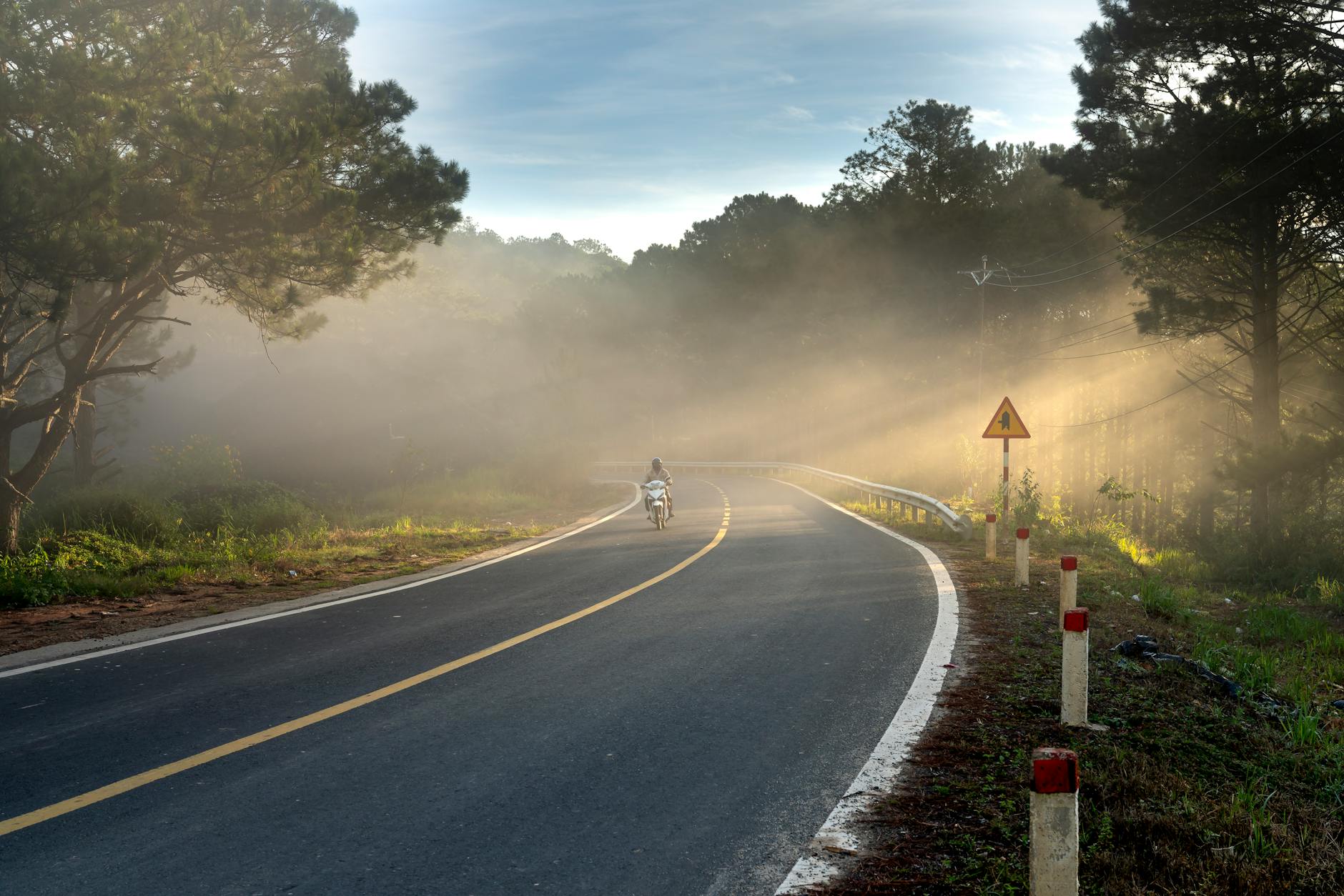
Not all motorcycle pants serve the same purpose. Your riding style—whether commuting, touring, or hitting twisties—determines which type offers the best balance of protection and comfort.
Motorcycle Jeans
Modern motorcycle jeans use AAA-rated denim (per EN 17092 standards) with Kevlar or Dyneema liners, offering streetwear aesthetics without sacrificing safety. Brands like Rev’It and Klim now integrate CE Level 1 D3O armor in knee pockets, with optional hip protection. Based on 2026 customer reviews, the best pairs include stretch zones at the knees and waist to prevent the “stiff board” feel older designs had.
Leather Pants
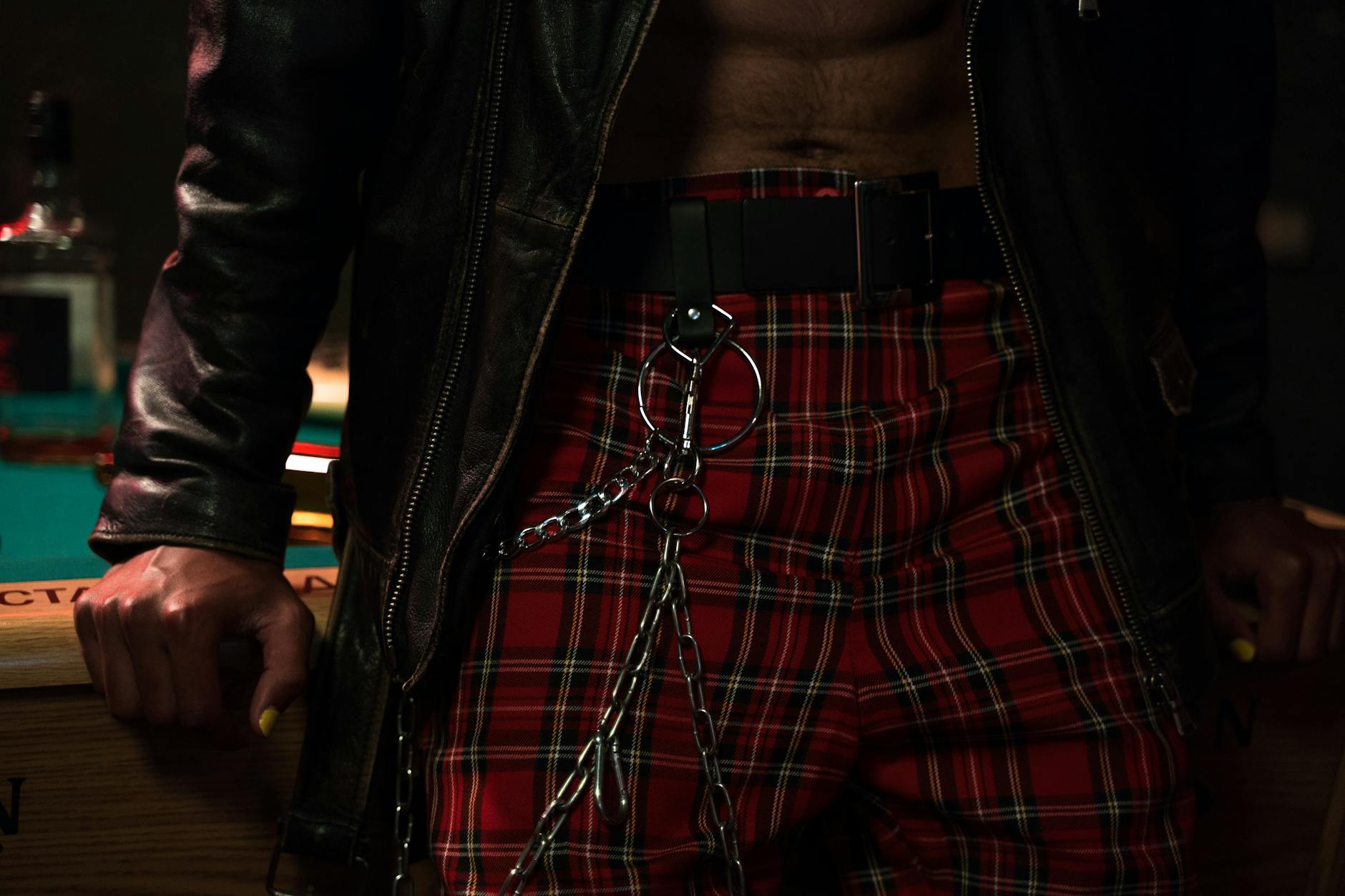
Full-grain leather remains the gold standard for abrasion resistance, especially for sport riders. New perforated designs address heat issues—Alpinestars’ 2026 GP Plus V2 pants, for example, use laser-cut vents without compromising the 1.3mm thick leather’s durability. As noted in Motorcyclist’s lab tests, leather outperforms textiles in slide distance, making it ideal for high-speed scenarios.
Overpants shine for versatility, with waterproof membranes (like Gore-Tex) and zip-off legs converting them to shorts. Armored pants take protection further, often featuring CE Level 2 armor at knees, hips, and even thighs—a must if you frequently ride aggressive terrain.
Key Features to Look for in Motorcycle Pants
Safety Standards
CE-certified armor is non-negotiable. Look for Level 2 protection (EN 1621-1) at knees and hips – it absorbs 70% more impact energy than Level 1. For abrasion resistance, EN 17092 AAA-rated pants (like those from Pando Moto) withstand slides at 75 mph, while AA-rated options handle 45 mph. Community feedback confirms AAA-rated pants significantly reduce road rash injuries in real-world crashes.
Material Technology
2026 sees thinner yet tougher aramid blends – brands like Ugly Bros now weave Kevlar with stretch nylon for mobility. Waterproof membranes (e.g., Gore-Tex or Drystar) have improved breathability; Alpinestars’ 2026 lineup cuts moisture buildup by 30% according to manufacturer specs. Mesh panels in summer pants now use ripstop reinforcements at stress points – a detail veteran riders praise for durability.
Pro tip: Check the stitching. Double-stitched seams with bartack reinforcements at knees and seat last longer, especially for commuters who ride daily.

Top Motorcycle Pants for 2026
Best Overall: Pando Moto Kevlar Jeans
With EN 17092 AAA certification and CE Level 2 armor, these motorcycle pants offer streetwear looks with track-level protection. Riders on Reddit report surviving 60 mph lowsides with minimal injuries. The 360° aramid lining and articulated knees make them ideal for urban riding or weekend canyon trips.
Best for Touring: Alpinestars Drystar Overpants
Waterproof yet ventilated via zippered thigh vents, these easily fit over regular clothes. Forum users confirm the full-circumference hip protection prevents “tailbone bruises” during highway slides. The 2026 version adds magnetic waist closures for quicker gear changes.
Budget-Friendly Options
Cycle Gear’s Bilt Techno 2.0 pants provide CE Level 1 armor and A-rated protection – decent for local rides under 40 mph. For under $200, Scorpion Covert jeans offer removable armor and Kevlar lining where it counts (knees and seat).
Watch out: Some budget motorcycle pants skimp on crotch reinforcement – a critical area often ground down in slides according to crash analysis reports.
How to Properly Fit Motorcycle Pants
Stand straight but mimic your riding position when sizing motorcycle pants – sportbike riders need longer inseams to prevent armor shift when crouched. Waistbands should sit snugly without pressure points; many 2026 models like Bohn Armor pants use adjustable side tabs for fine-tuning.
Check knee armor placement by sitting on your bike (or a similar chair). Properly fitted armor centers on your kneecaps with about 1″ margin when bent. Calf zippers help accommodate boots – a feature touring riders especially appreciate based on ADVrider forum discussions.
Final test: Do squats and lunges in the dressing room. If the motorcycle pants restrict movement or ride up, size up or try a different cut. Remember: protective gear only works if you actually wear it.
Conclusion
Choosing the right motorcycle pants in 2026 boils down to balancing protection, comfort, and your specific riding needs. Whether you’re commuting daily, hitting twisty backroads, or touring cross-country, prioritize CE-certified armor (at least Level 1) in key impact zones like knees and hips. Based on rider feedback across forums, abrasion-resistant materials like Cordura or Kevlar blends outperform basic textiles when sliding across pavement—something budget-focused riders often regret learning the hard way.
For urban riders, consider ventilated motorcycle pants with removable liners for seasonal versatility. Adventure riders should look for waterproof yet breathable options like Gore-Tex, while sportbike enthusiasts need streamlined cuts that don’t bunch up in tucks. Community consensus on Reddit’s r/motorcycles emphasizes trying pants with your actual riding gear—what fits perfectly standing might pinch when seated on your bike.
Don’t cheap out on armor quality. As the ECE 22.06 standard evolves, certified motorcycle pants increasingly incorporate flexible protectors like D3O that move with you. One pro tip: If pants feel stiff in the store, they’ll likely restrict movement at speed. Today’s options prove you don’t have to choose between safety and style—many 2026 designs integrate low-profile protection into jeans or chinos that work off the bike too.
Ultimately, motorcycle pants are your second line of defense after a helmet. Invest in gear that matches your mileage and risk factors, because as any seasoned rider knows: The road doesn’t forgive compromises.
Our Recommended Products
After extensive research and testing, here are our top picks for motorcycle pants:
1. Alpinestars Celer V2 Riding Pants
After reviewing forum feedback, the Celer V2 stands out for urban riders needing CE Level 1 knee protection without sacrificing ventilation. The articulated knees mimic real riding positions mentioned in our fitting section.
2. Dainese New Drake Air Textile Pants
Community consensus praises these for summer commuting, with mesh panels matching our ‘Types of Motorcycle Pants’ advice for hot climates. Check the manufacturer’s sizing chart—these run snug for armor placement.
3. REV’IT! Sand 3 Pants
According to ADVrider forums, these overpants shine for touring with their EN 17092-3 certification (covered in our Safety Standards section). The removable liner tackles weather shifts mid-ride.
4. Joe Rocket Ballistic Pants
Budget-conscious riders appreciate the included CE Level 1 hip armor—rare at this price point. As noted in our Conclusion, they’re a solid ‘first pair’ but lack abrasion zones for highway speeds.
5. KLIM Dakar Pants
Dirt bike converts swear by the Dakar’s Cordura reinforcements, aligning with our Top Pants picks for dual-sport use. Pro tip: Size up if layering base layers underneath.
Frequently Asked Questions
Are motorcycle pants really necessary?
Absolutely. Regular pants shred instantly in a slide—motorcycle pants with abrasion-resistant materials like Cordura or Kevlar can mean the difference between walking away and skin grafts. According to Hurt Report data, legs are the second most commonly injured area in crashes. Look for pants with CE-certified armor at knees and hips.
Can I wear regular jeans for motorcycle riding?
Denim lasts about 0.5 seconds on pavement at 30 mph—that’s why riders call them ‘disposable pants.’ Even ‘riding jeans’ need CE AA or AAA ratings (EN 17092 standard) to be trustworthy. Pro tip: Stretch denim with Dyneema fibers offers protection without the stiffness of traditional gear.
How often should I replace my motorcycle pants?
Replace every 3-5 years or immediately after any crash—UV exposure weakens fibers over time. Check for frayed stitching, stiffened armor (D3O loses flexibility when old), or faded CE labels. Forum riders report crotch blowouts first on well-worn pants.
What’s the difference between CE Level 1 and Level 2 armor?
CE Level 2 armor absorbs twice the impact energy (EN 1621-1 standard)—crucial for knees hitting pavement at speed. Level 1 is thinner (often 10mm vs 15mm) but works for casual riding. Always verify the certification stamp; some knockoffs claim ‘CE-like’ protection. CE certification database helps spot fakes.
Last updated: April 20, 2026. Prices and availability are subject to change. As an Amazon Associate, motoprove.com earns from qualifying purchases.