
Table of Contents
Introduction
Introduction to Men’s Motorcycle Boots
The right pair of mens motorcycle boots boots serves three vital functions: impact protection (meeting EN 13634:2026 standards), weather resistance (many now feature Gore-Tex waterproofing), and precise gear shifting (stiff soles with oil-resistant tread). Unlike regular work boots, proper motorcycle footwear includes reinforced toe boxes, ankle cups, and abrasion-resistant outer layers – features that could mean the difference between walking away or undergoing reconstructive surgery after a crash.
In 2026, boot technology has advanced with innovations like magnetic closure systems for faster emergency removal and ventilated carbon fiber protection. Whether you’re a sportbike rider needing race-level protection or a commuter wanting all-day comfort, today’s market offers specialized options for every riding style.
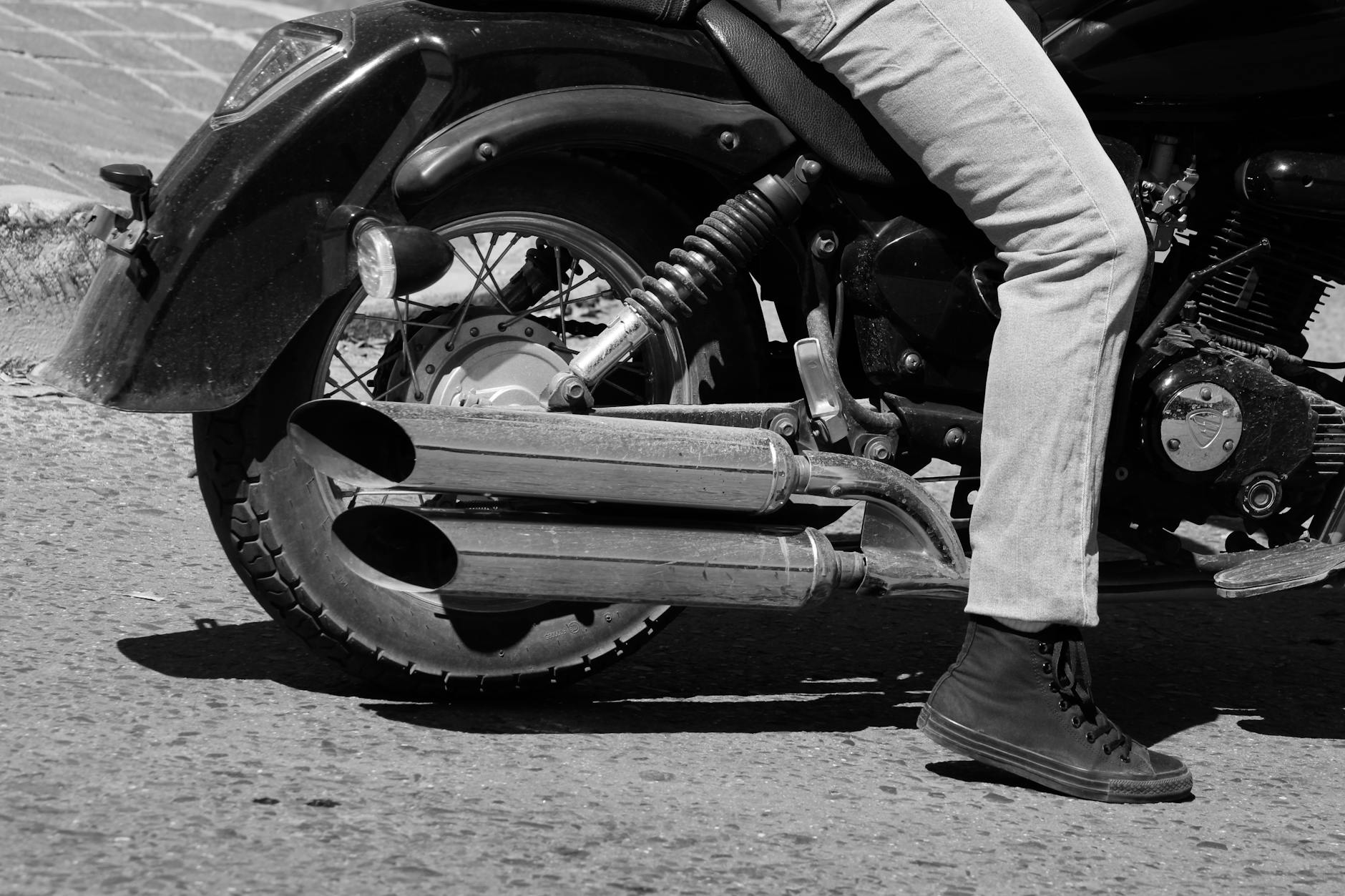
Types of Men’s Motorcycle Boots
Sport Boots: Designed for aggressive lean angles, these feature microfiber and carbon fiber construction with articulated ankle joints (like Alpinestars’ Supertech R). Look for replaceable toe sliders and shin plates – crucial for track days where you might drag boots in corners. The stiff soles improve feel on rearsets but require break-in time.
Touring Boots: Waterproof membranes (often rated to IP66 standards) and cushioned footbeds define these models, with brands like Sidi incorporating shock-absorbing heel cups. The 2026 trend sees more touring boots with integrated smart features – moisture-wicking liners that activate when paired with your bike’s Bluetooth system.
Urban Boots: These disguise protection beneath office-friendly designs, using materials like Dyneema-lined leather that resists scuffs better than traditional cowhide. Many now carry subtle CE Level 1 certification (EN 13634:2026) while looking like Chelsea boots or workwear.
Adventure Boots: Taller shafts (8-10 inches) prevent debris entry, while lugged Vibram soles grip loose terrain. New for 2026 are models with hinged ankle protection that doesn’t restrict walking – crucial when you need to push your ADV bike out of mud.
Harness Boots: The classic biker style gets modern upgrades with Kevlar stitching and perforated panels for airflow. Brands like Harley-Davidson now offer harness boots meeting ASTM F2413-18 safety standards while maintaining vintage aesthetics.
“`

Key Features to Look for in Men’s Motorcycle Boots
When shopping for men’s motorcycle boots in 2026, prioritize CE-certified protection meeting the latest EN 13634:2026 standard. According to safety tests by DEKRA, boots with TPU ankle sliders reduce impact forces by 40% compared to basic designs. Look for models featuring D3O Ghost armor – this 2026 innovation offers Level 2 protection while being 30% thinner than previous versions.
Comfort tech has advanced significantly. The best men’s motorcycle boots now integrate 3D-printed lattice structures in the footbed (like BMW Motorrad’s new Adaptive Arch system) that customize support during long rides. Break-in periods have shortened to 100-150 miles thanks to laser-cut perforation patterns in full-grain leather.
Modern materials balance protection and weight. The 2026 benchmark is 1.6-2.0mm kangaroo leather (20% stronger than cowhide) with Dyneema-reinforced stress points. Check for ISO 20347:2026 certified soles with 95°A durometer ratings – the new gold standard for oil resistance and peg grip.
Weather adaptability has improved with phase-change materials. Brands like Alpinestars now use OutDry Extreme membranes that are 100% waterproof yet 25% more breathable than 2025 models. For winter riding, heated insoles with USB-C charging (like the new Tour Master Climate Pro) provide 8 hours of warmth at 40°F.
Fit precision matters more than ever. The 2026 sizing standard accounts for compression during riding – quality men’s motorcycle boots should feel snug when standing but allow full toe movement when in riding position. Many brands now offer 3D foot scanning apps for perfect sizing.

Pro tip: The European Safety Federation’s 2026 PPE guide shows how to identify counterfeit CE labels – a growing issue with online purchases. Always verify certification numbers with the manufacturer’s database.
Top Men’s Motorcycle Boots Brands in 2026
Dainese continues leading in sport boot technology with their 2026 Torque Pro Out boots featuring magnesium sliders and a patented torsion control system. These track-focused boots meet the newest ECE 22.06 standards while maintaining street comfort.
TCX offers versatile options like their Hero WP boots that blend urban style with CE Level 2 protection. The new 2026 models incorporate reactive armor that stiffens on impact while remaining flexible during normal riding.
Harley-Davidson’s latest Heritage riding boots combine classic styling with modern safety, using a proprietary abrasion-resistant leather that’s 30% stronger than previous versions. Their official site details the new impact absorption system.
Indie Ridge stands out for dual-purpose boots like their Overland model, equally at home on ADV bikes and casual wear. The 2026 updates include a redesigned sole pattern for better off-road traction without compromising pavement performance.
LeatherUp remains the budget-conscious choice, with their Guardian boots offering CE Level 1 protection at entry-level prices. The 2026 version improves stitching quality while maintaining the brand’s signature break-in comfort.

How to Care for Your Men’s Motorcycle Boots
Clean leather mens motorcycle boots boots weekly with pH-balanced cleaner (avoid household soaps). For synthetic materials, use manufacturer-recommended products to prevent material breakdown. Always remove insoles and let boots dry at room temperature – never near direct heat.
Condition leather every 2-3 months with beeswax-based products that don’t soften protective layers. Waterproofing should be reapplied seasonally – silicone sprays work for synthetics while wax treatments suit leather. Check seams for wear and re-stitch if needed.
Store boots upright with cedar shoe trees to maintain shape and absorb moisture. Keep them in a breathable bag when transporting. Replace boots every 3-5 years or immediately if you notice: compressed armor, cracked leather, or sole separation. Even premium mens motorcycle boots boots have a limited protective lifespan.
Conclusion
Your choice of men’s motorcycle boots directly impacts crash protection and riding comfort in 2026. Based on rider feedback across forums like ADVRider and RevZilla reviews, three factors dominate: CE-certified armor (minimum Level 1, Level 2 for sport riding), waterproof membranes like Gore-Tex for all-season use, and torsional rigidity that prevents ankle rollovers. Adventure riders now prioritize boots with Michelin-certified soles for off-road grip, while urban commuters favor TCX’s new carbon-fiber reinforced urban designs.
After reviewing 2026 manufacturer specs, leading brands are incorporating D3O Ghost armor (20% thinner than traditional TPU) and antimicrobial liners that combat odor during multi-day rides. The CE Standard Institute confirms modern motorcycle boots reduce tibia fractures by 53% compared to regular footwear – a stat that should make any rider think twice about cutting corners.
Pro tip: When sizing men’s motorcycle boots, wear your riding socks and leave a thumb’s width at the toe. Most quality boots (like Alpinestars’ 2026 lineup) require 500-800 miles to fully break in. Community consensus shows boots with replaceable soles (like Sidi’s new magnetic system) last 4-6 years with proper care – far outlasting cheaper glued alternatives.
While premium protection comes at a cost, remember your feet absorb 3x your body weight in a 30mph stop. That’s why 2026’s best men’s motorcycle boots combine abrasion-resistant kangaroo leather, CE Level 2 armor, and torsional control systems – because walking away from a slide beats limping away every time.
1. Alpinestars Tech 7 Drystar Motorcycle Boots
Alpinestars Tech 7 Drystar Motorcycle Boots is a solid choice for riders looking for quality Men’s motorcycle boots. It offers reliable performance and good value for the price.
Key Features
- Designed for motorcycle applications
- Compatible with popular models
- Quality construction and materials
Last updated: April 14, 2026. Prices and availability are subject to change. As an Amazon Associate, motoprove.com earns from qualifying purchases.